
Tag: small batch cookies

Precision-focused baking strategies for micro-production and recipe testing. This tag explores the technical challenges of scaling down traditional recipes, where minor measurement errors are amplified. Learn professional techniques for using weight-based measurements, adapting egg ratios, and managing heat distribution in small-scale batches to achieve the exact texture and flavor profile of a full-scale production without the overhead of excess inventory.

  • Master the Batch: A Professional Guide to Getting Started with Cookies

    Master the Batch: A Professional Guide to Getting Started with Cookies

    Getting started with cookies like a professional requires a shift in mindset from casual baking to precise craftsmanship.

    Whether you are dreaming of launching a micro-bakery from your home in Maryville or simply want to elevate your weekend baking to a professional standard, the humble cookie is the perfect starting point. However, getting started with cookies that meet bakery-quality standards requires more than just a recipe; it requires an understanding of food science.

    While cookies are often seen as “entry-level,” achieving a consistent, bakery-quality result requires more than just following a recipe—it requires understanding the variables at play.
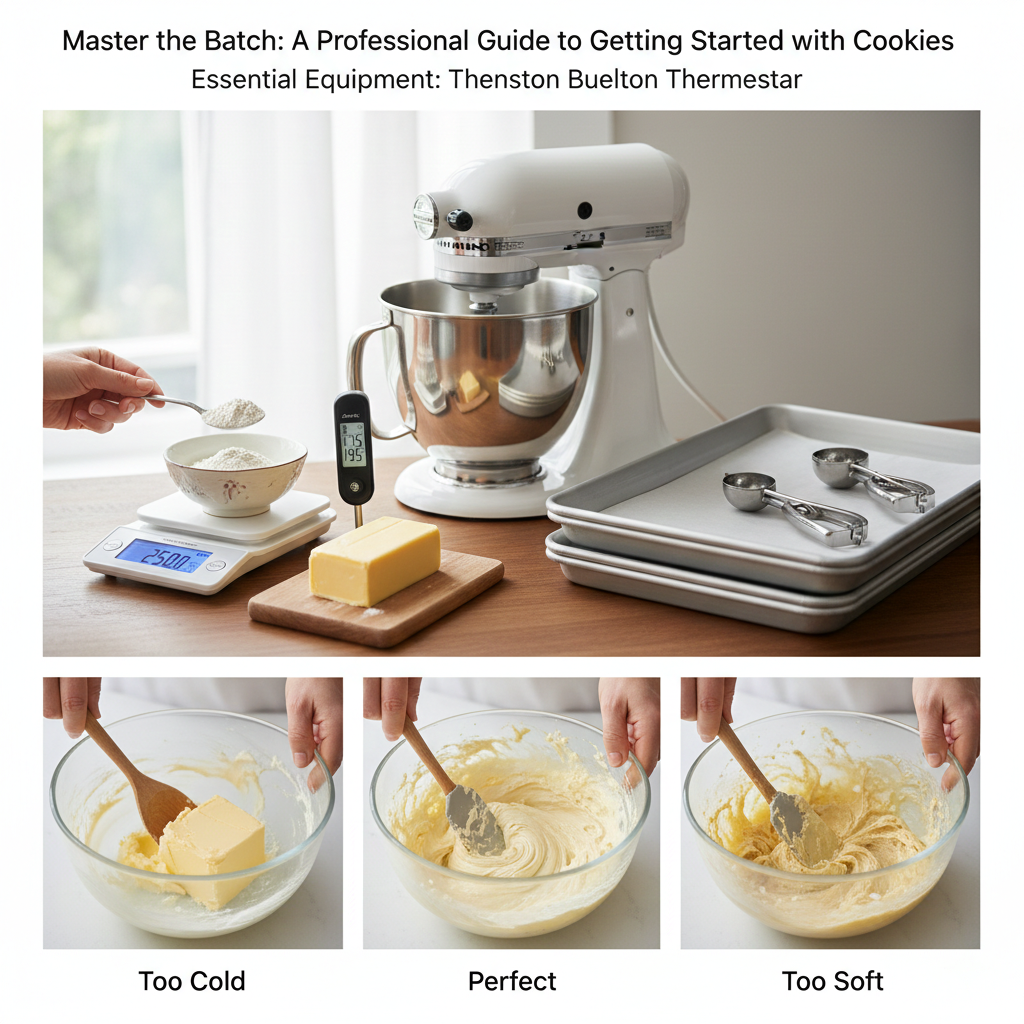
    Getting Started with Cookies: A well-organized professional baking station with a digital scale, mixer, and baking sheets, ready for precision cookie making.

    1. Technical Fundamentals for Getting Started with Cookies

    Before you cream your first bit of butter, ensure your kit is up to professional standards. High-end results for anyone getting started with cookies depend on accurate tools and a standardized environment.
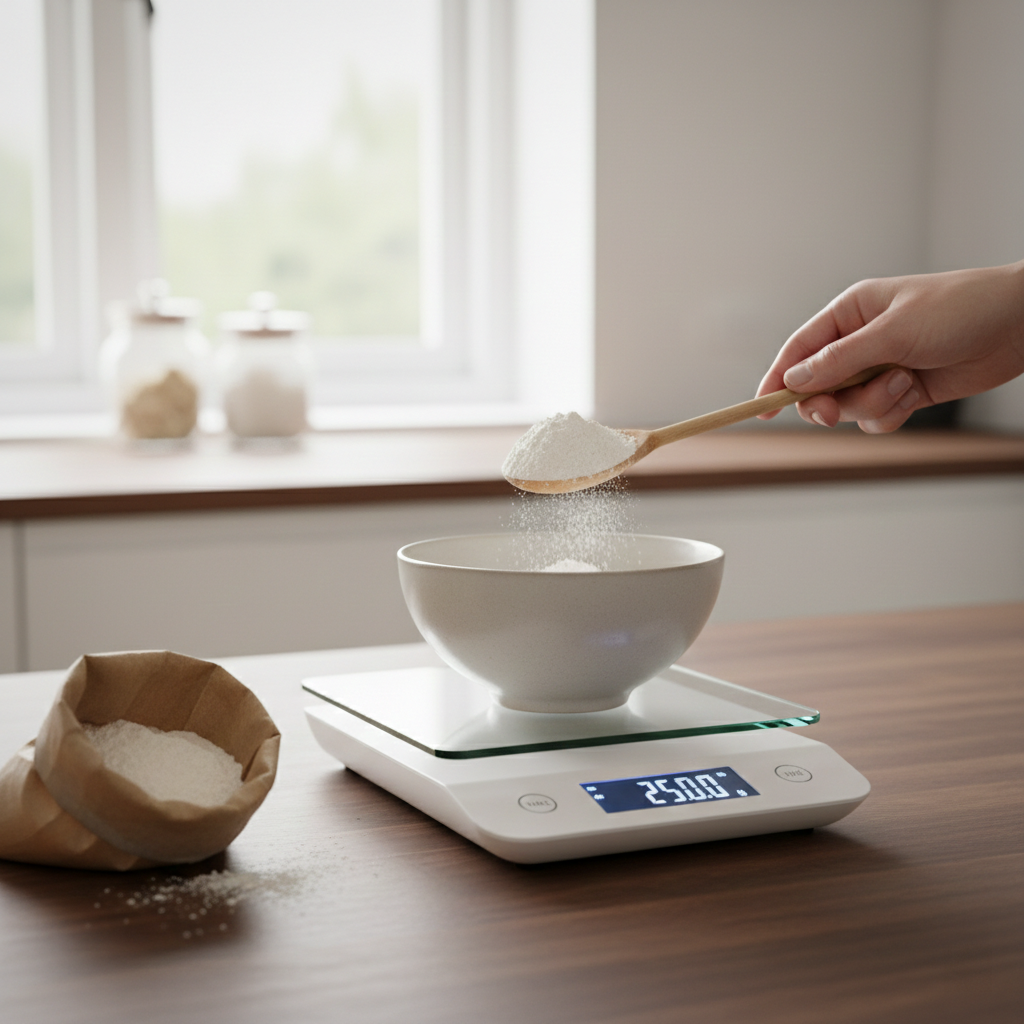
    A close-up of a digital kitchen scale accurately weighing flour, demonstrating the importance of precise measurements in professional baking.

    Essential Equipment for Getting Started with Cookies

    • Digital Kitchen Scale: When getting started with cookies, volume measurements are notoriously unreliable. For professional consistency, you must weigh ingredients in grams.
    • A Solid Internal Thermometer: Never trust your oven’s built-in dial. Verify that your oven reaches exactly 350°F (177°C), which is a non-negotiable step for getting started with cookies at scale.
    • Heavy-Duty Baking Sheets: Thin pans warp and hot-spot. Invest in rimmed aluminum half-sheets for even heat distribution.

    Weight Over Volume

    In a professional kitchen, accuracy is the foundation of consistency. A single “cup” of flour can vary by up to 20% depending on how it’s packed. To ensure every batch of cookies matches your highest standards, always weigh your dry ingredients in grams. This is the single most important step in transitioning from a home baker to a professional.

    2. Understanding Ingredient Science When Getting Started with Cookies

    Every ingredient in a cookie serves a structural or chemical purpose.
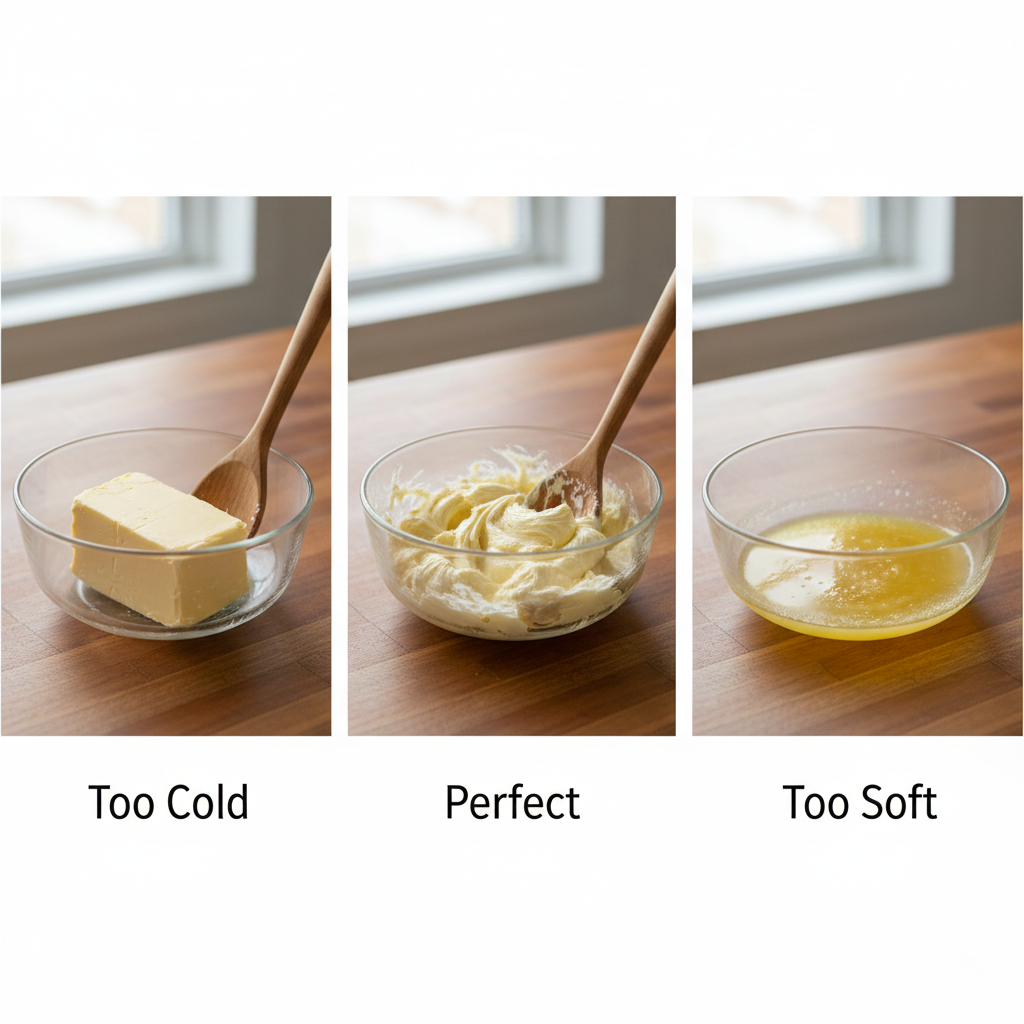
    A visual guide showing three states of butter (too cold, perfect room temperature, too soft) for optimal creaming in cookie dough.
    • Butter Temperature: For the classic “creaming method,” your butter should be cool room temperature (about 65°F (18°C)). If it’s too soft, your cookies will spread into puddles; too cold, and you won’t incorporate the air needed for leavening.
    • Sugar Ratios: White sugar provides crispness and encourages spread, while brown sugar adds moisture and chew due to the molasses content.
    • Flour Protein: Most professional cookies use All-Purpose flour, but the protein content can vary by brand. A higher protein count leads to a heartier, chewier bite.

    The 65°F Rule

    Butter temperature dictates the structural integrity of your cookie. Aim for “cool room temperature” (approx. 65°F / 18°C). The butter should be pliable enough to hold a fingerprint but firm enough to resist melting. If your butter is too warm during the creaming stage, your cookies will lose their height and over-spread in the oven.

    3. The Secret to Professional Texture: The Chill
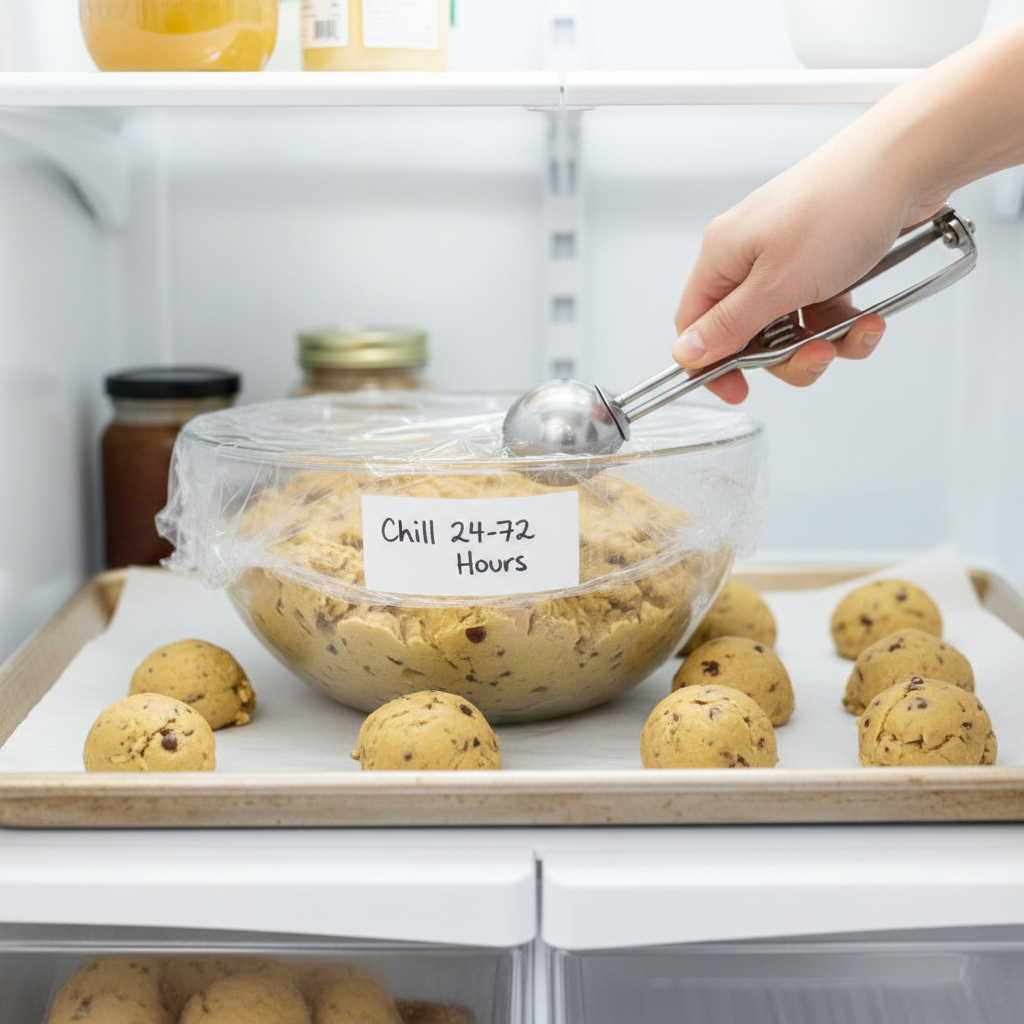
    Cookie dough chilling in a labeled bowl in the refrigerator, illustrating the recommended chilling process for enhanced flavor and texture.

    If you want that iconic “bakery ripple” and a deep, developed flavor, you must chill your dough. Resting the dough for 24 to 72 hours allows the flour to fully hydrate and the fats to solidify. This results in:

    1. Controlled Spread: The cold fat takes longer to melt in the oven.
    2. Enhanced Flavor: Enzymes break down the starches into simple sugars, leading to better browning (the Maillard reaction).

    The 24-Hour Flavor Bloom

    Professional results require time. Chilling your dough for at least 24 hours isn’t just about controlling spread; it’s a chemical necessity. This rest period allows the starch molecules in the flour to break down into simple sugars, resulting in a deeper, more complex caramelization and a superior, chewy texture that cannot be achieved with “bake-now” dough.

    For a deep dive into the molecular changes that occur during a 24-hour rest, King Arthur Baking offers an excellent breakdown of why chilling dough is a non-negotiable step for professionals.

    4. Precision Portioning
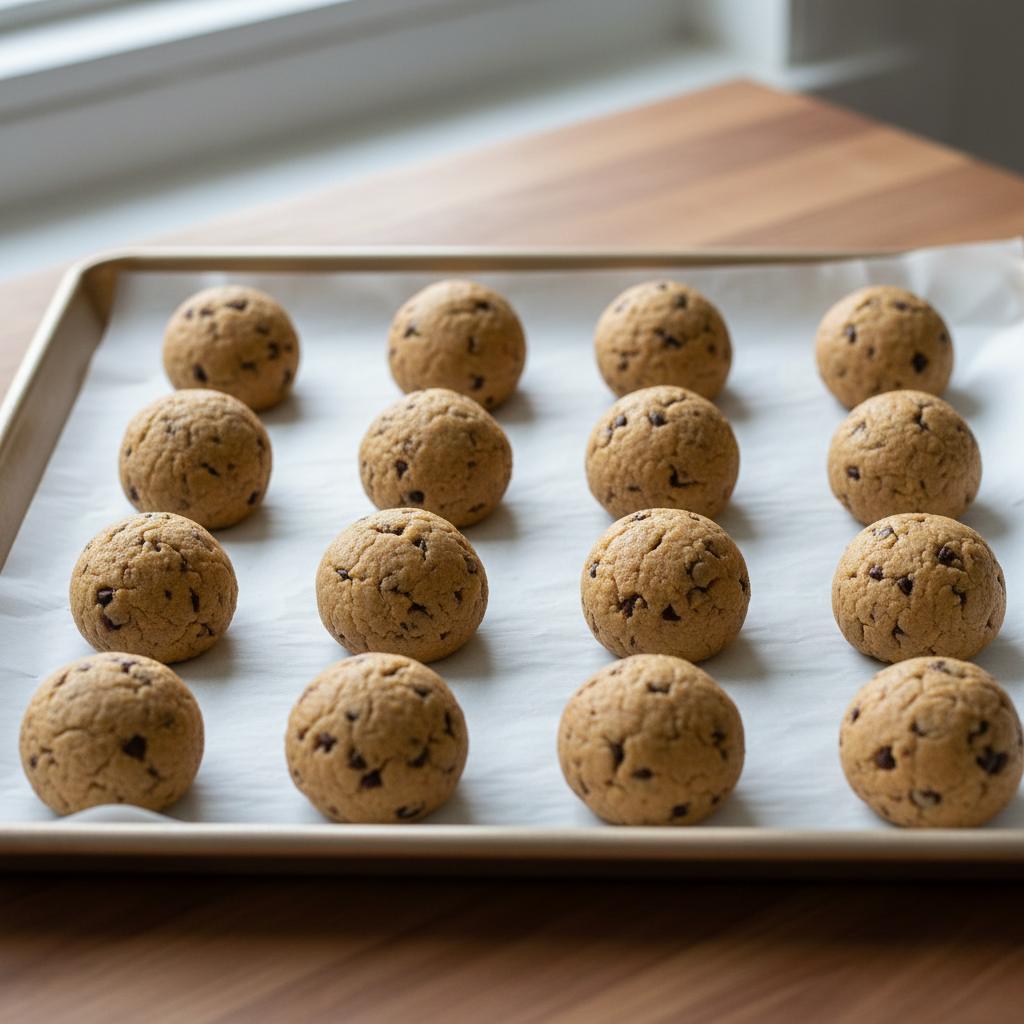
    Precisely portioned cookie dough balls arranged on a baking sheet, demonstrating the consistency achieved with a cookie scoop.

    Consistency is key when selling baked goods. Customers expect every cookie to be identical in size and bake. Use a spring-loaded cookie scoop to ensure every portion is exactly the same weight. This isn’t just about aesthetics—it ensures that every cookie on the tray finishes baking at the exact same second.
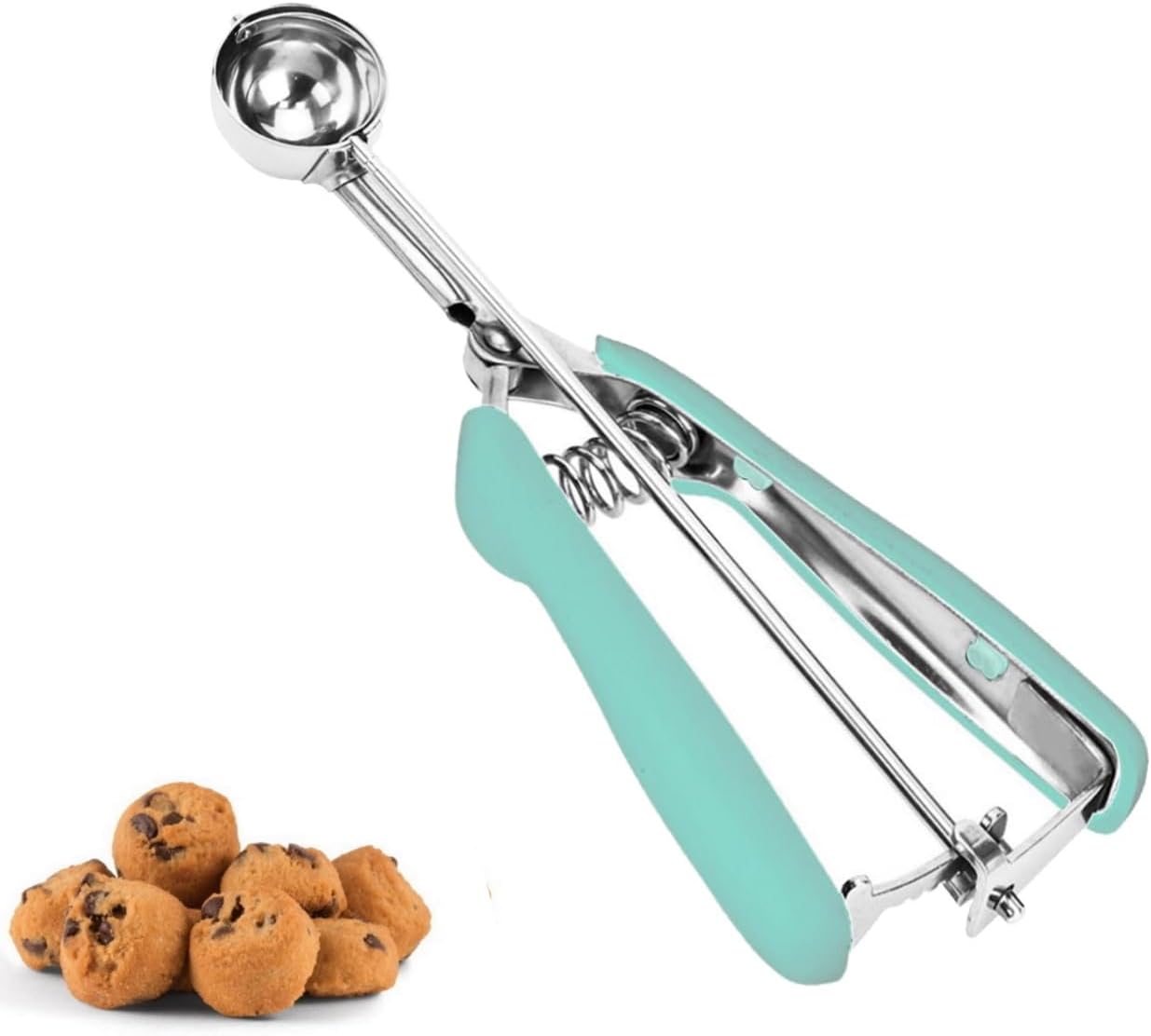
    1 tsp Extra Mini Cookie Scoop

    • The non-slip rubber handle makes it easy to grasp.
    • Just a simple squeeze makes the cookie scoop release the dough easily and neatly
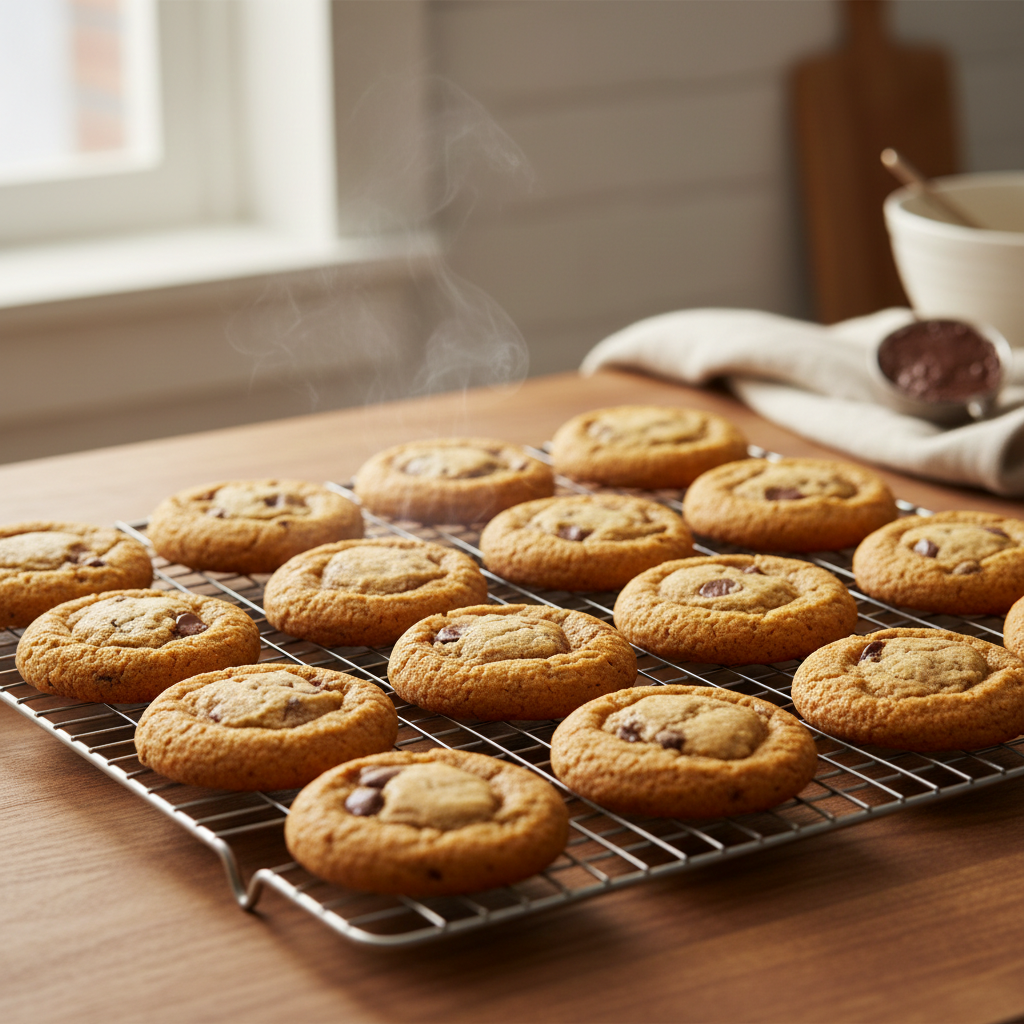
    A batch of uniformly baked, golden-brown chocolate chip cookies cooling on a wire rack, representing professional baking results.

    From Kitchen to Craft: Scaling Your Success

    Mastering the art of the cookie is a journey that moves from following a simple recipe to understanding the intricate dance of food science. By focusing on the technical pillars of precision measurement, specific temperature control—aiming for that perfect 65°F (18°C) butter—and the disciplined patience of a 24-hour chill, you elevate your baking from a casual hobby to a professional craft.

    These small, intentional adjustments are what create a consistent, high-quality product that stands out in a competitive market. As you continue to refine your workflow and experiment with these foundational techniques, you’ll find that the “perfect batch” isn’t a matter of luck, but a result of professional standards.

    Kitchen Tools I Use

  • Mini Small Batch Cookies for When You Don’t Want Leftovers

    Mini Small Batch Cookies for When You Don’t Want Leftovers

    Sometimes you want cookies… just not dozens of them. That’s where small batch cookies come in. These mini cookie recipes are designed to make just enough to satisfy a craving without filling your kitchen (or freezer) with leftovers.

    If you’re new to baking smaller treats, this ultimate guide to baking perfect mini cookies covers sizing, bake times, and common mistakes.

    Perfect for weeknight baking, smaller households, or anyone who loves fresh cookies without the commitment.


    🍪 Why Bake Small Batch Mini Cookies?

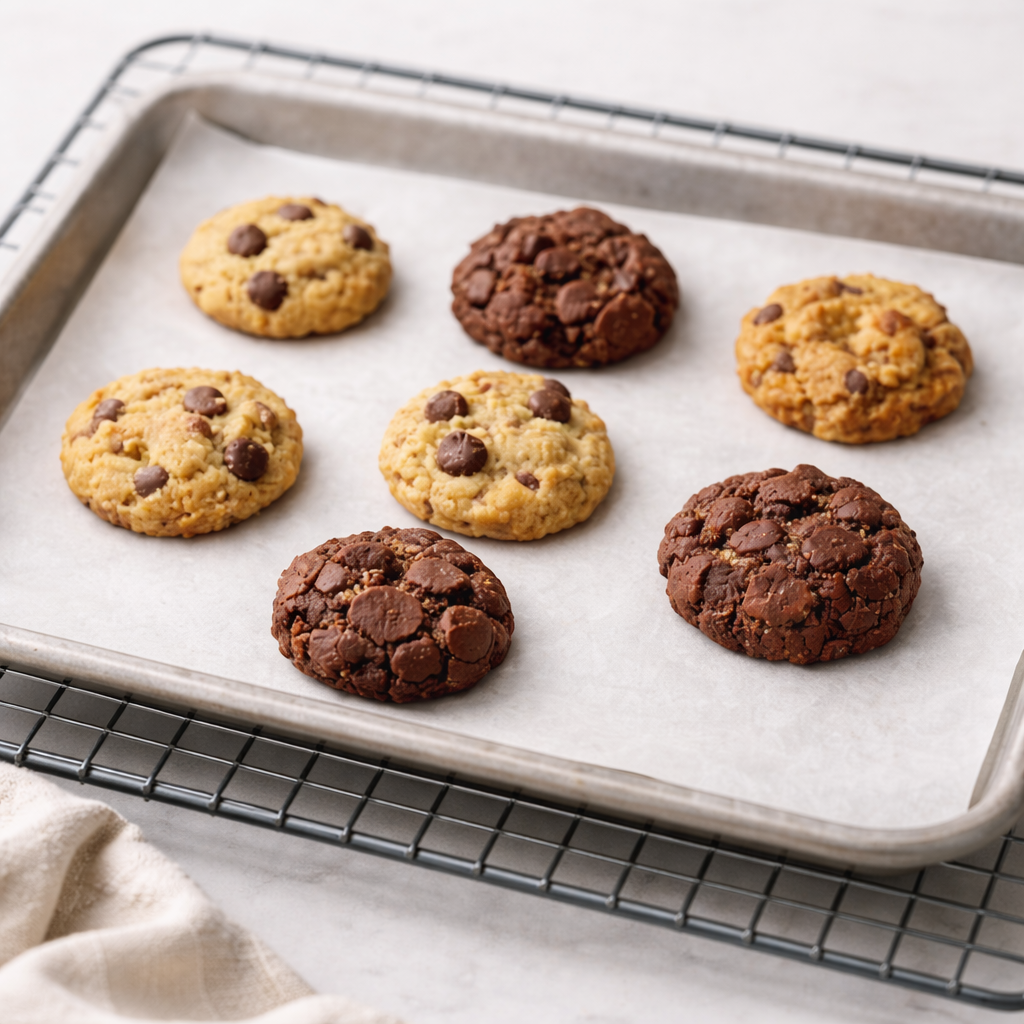
    Mini cookies cooling on a baking sheet in a small batch

    Small batch mini cookies are:

    • Faster to prep and bake
    • Easier to portion and control
    • Great for testing new flavors
    • Perfect when you don’t want leftovers

    Because the cookies are smaller, you still get variety and indulgence—just in a more manageable amount.

    Why Small Batch Cookies

    Small batch cookies let you enjoy fresh-baked treats without committing to a full batch or storing leftovers.


    🧾 What Counts as a “Small Batch”?

    For mini cookies, a small batch usually means:

    • 6–12 mini cookies total
    • Made with 1 egg or less
    • Baked on one sheet
    • Ready in under 30 minutes

    This keeps things simple and low-effort.

    Scaling down cookie recipes requires careful measuring, especially when working with small batches.


    🍫 Easy Small Batch Mini Cookie Ideas

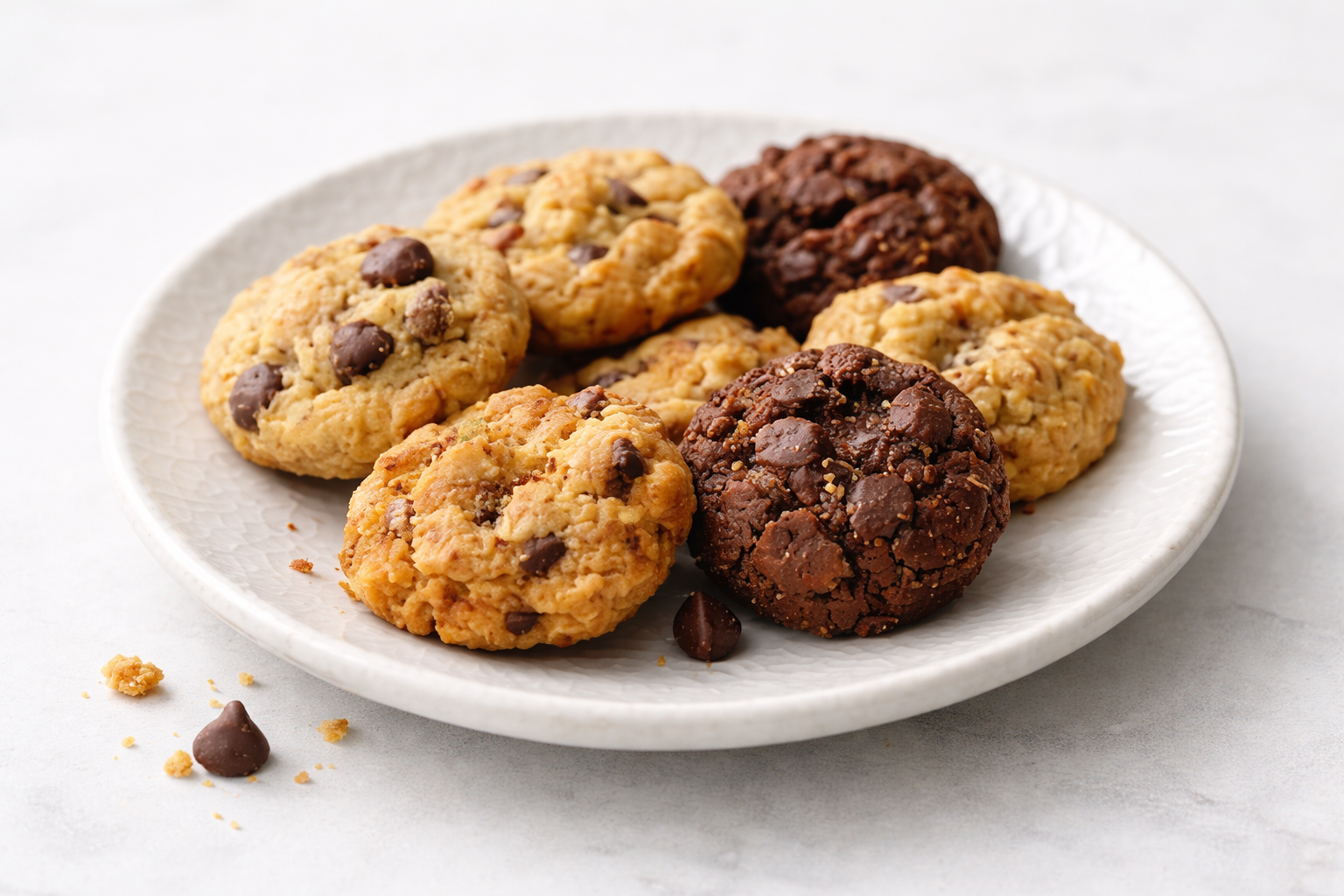
    These mini chocolate chip cookies are a great example of how small batch baking still delivers soft, bakery-style results.

    Here are a few go-to mini cookie recipes that scale down beautifully:

    🍫 Mini Chocolate Chip Cookies

    A classic made in smaller portions with tablespoon-sized dough scoops.

    🍯 Mini Sugar Cookies

    Soft, simple, and easy to decorate—or enjoy plain.

    🍪 Mini Oatmeal Cookies

    Chewy centers with crisp edges, perfect for smaller batches.

    🍫 Mini Double Chocolate Cookies

    Rich and fudgy without making a full tray.


    🥄 How to Portion Small Batch Cookies

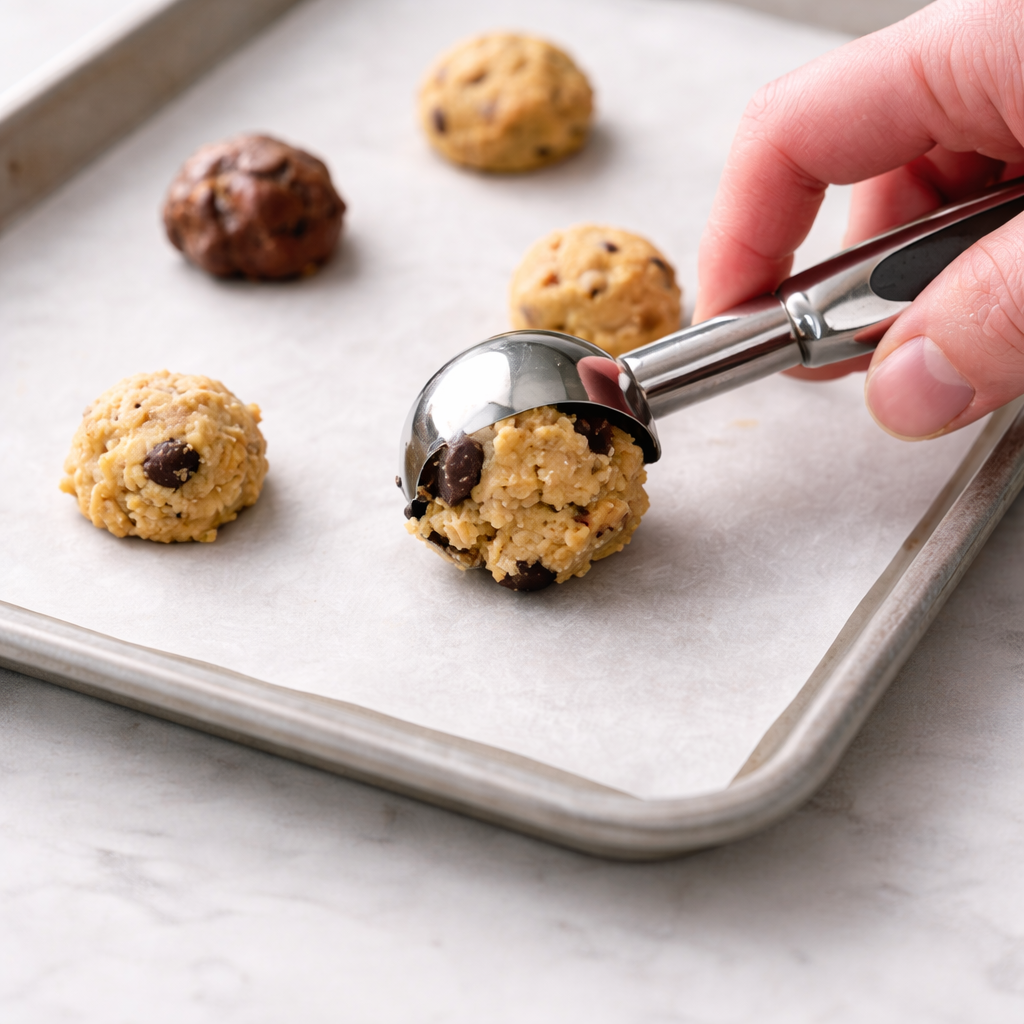
    Small batch cookie dough being portioned into mini cookies

    Consistent size matters even more in small batches.

    Keep Cookies Mini

    Using smaller dough portions helps mini cookies bake evenly and keeps small batches consistent.

    1 tsp Extra Mini Cookie Scoop

    • The non-slip rubber handle makes it easy to grasp.
    • Just a simple squeeze makes the cookie scoop release the dough easily and neatly

    Tips:

    Mini cookies bake fast, so consistency helps prevent overbaking.


    ⏱️ Baking Time & Temperature Tips

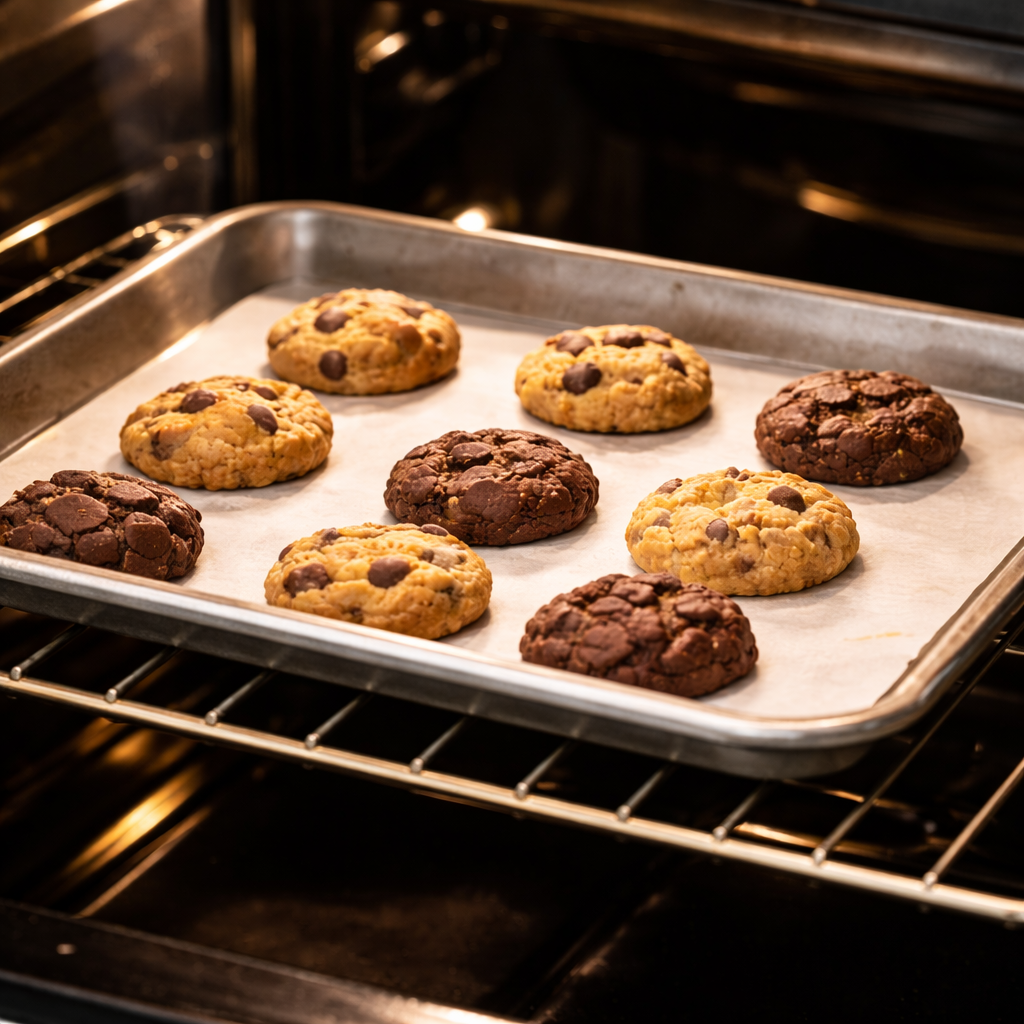
    Mini cookies baking in the oven on a single tray

    Because mini cookies bake quickly, knowing when they’re done helps prevent overbaking.

    Because mini cookies are smaller:

    • Bake at 350°F (177°C)
    • Start checking at 6–8 minutes
    • Look for set edges with soft centers

    They’ll continue to firm up as they cool.

    Letting mini cookies cool on a wire rack helps stop carryover baking and keeps the bottoms from getting soggy.

    Bake Time Is Short

    Mini cookies bake quickly. Start checking them early to avoid overbaking and dry centers.

    Because mini cookies bake quickly, a digital kitchen timer helps prevent overbaking in small batches.

    Oven temperature accuracy plays a big role in how quickly small cookies bake and set.


    ❄️ What If You Still Have Leftovers?

    Close-up image showing the texture of a properly baked mini cookie.

    If you’d rather save dough for later, this guide explains how to freeze mini cookie dough without affecting texture.

    Even small batches can be flexible:

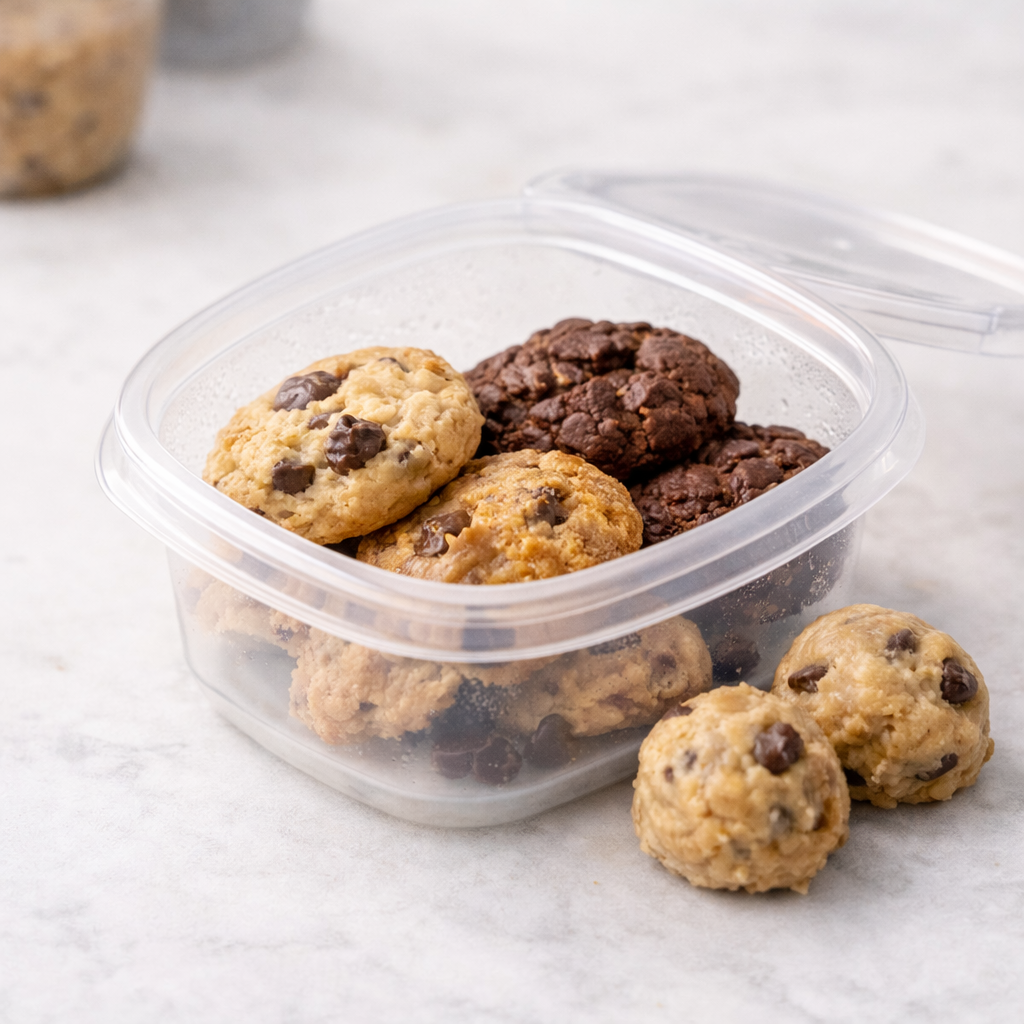
    • Store baked cookies in an airtight container for 2–3 days
    • Freeze unbaked dough portions for future cravings
    • Bake straight from frozen with 1–2 extra minutes

    Freeze Extra Dough

    Freezing small portions of cookie dough gives you fresh cookies later without baking a full batch.


    💡 Tips for Perfect Small Batch Cookies

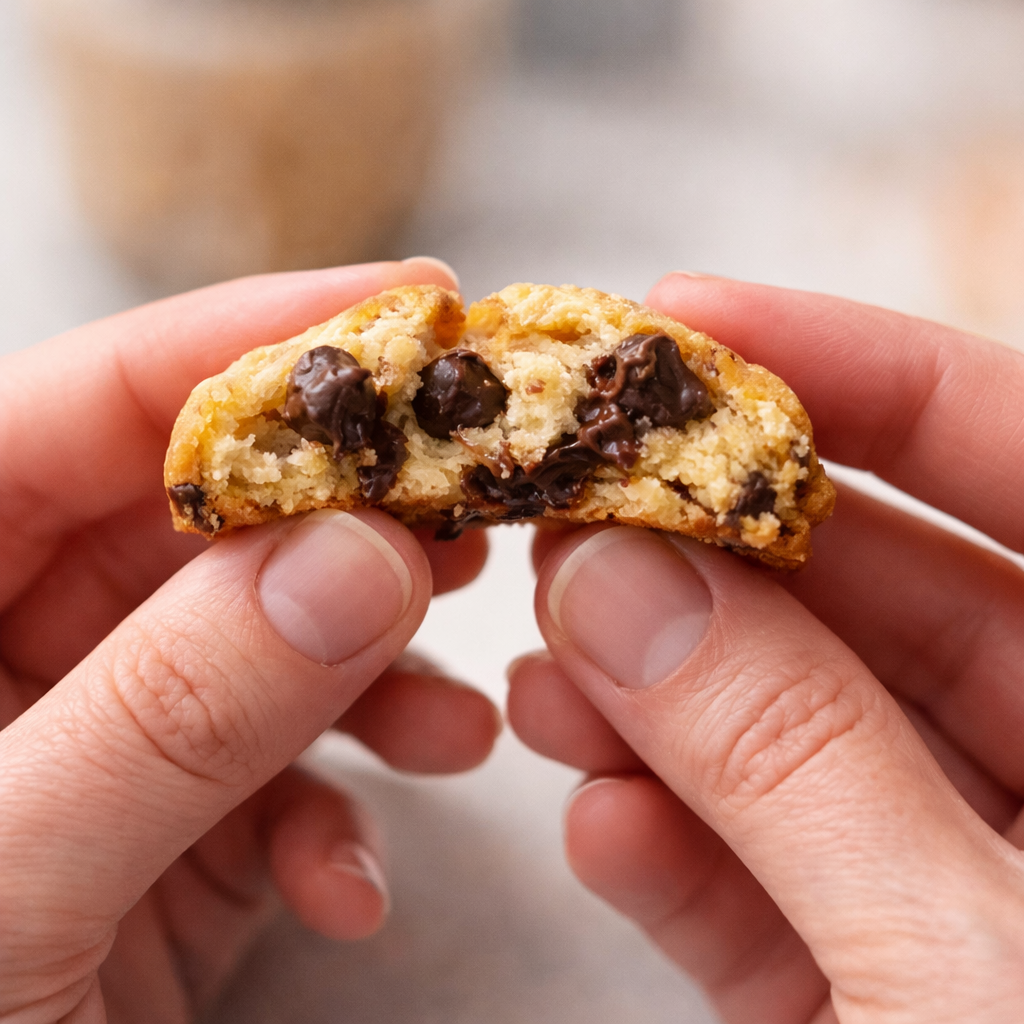
    Mini cookie broken in half showing a soft center
    • Measure carefully—small batches are less forgiving
    • Use room-temperature butter
    • Don’t overmix
    • Pull cookies early for softer centers

    Small Batch Tip

    Small batch recipes are less forgiving, so measuring accurately helps ensure the best texture.


    🍪 Final Thoughts

    Small batch cookies are the perfect solution when you want fresh-baked treats without leftovers. These mini cookie recipes make baking feel approachable, flexible, and just-for-you.

    Once you start baking small batches, it’s hard to go back.

    Cookie Tools I Use