
Tag: selling baked goods

A comprehensive guide to the commercial side of the baking industry, focusing on the logistics of moving products from the kitchen to the customer. This tag covers diverse sales channels, from local farmers’ markets and pop-up shops to online pre-orders and wholesale partnerships. Gain professional insights into product presentation, inventory management, and customer service strategies designed to build brand loyalty and ensure a professional transaction every time.

  • Master the Batch: A Professional Guide to Getting Started with Cookies

    Master the Batch: A Professional Guide to Getting Started with Cookies

    Getting started with cookies like a professional requires a shift in mindset from casual baking to precise craftsmanship.

    Whether you are dreaming of launching a micro-bakery from your home in Maryville or simply want to elevate your weekend baking to a professional standard, the humble cookie is the perfect starting point. However, getting started with cookies that meet bakery-quality standards requires more than just a recipe; it requires an understanding of food science.

    While cookies are often seen as “entry-level,” achieving a consistent, bakery-quality result requires more than just following a recipe—it requires understanding the variables at play.
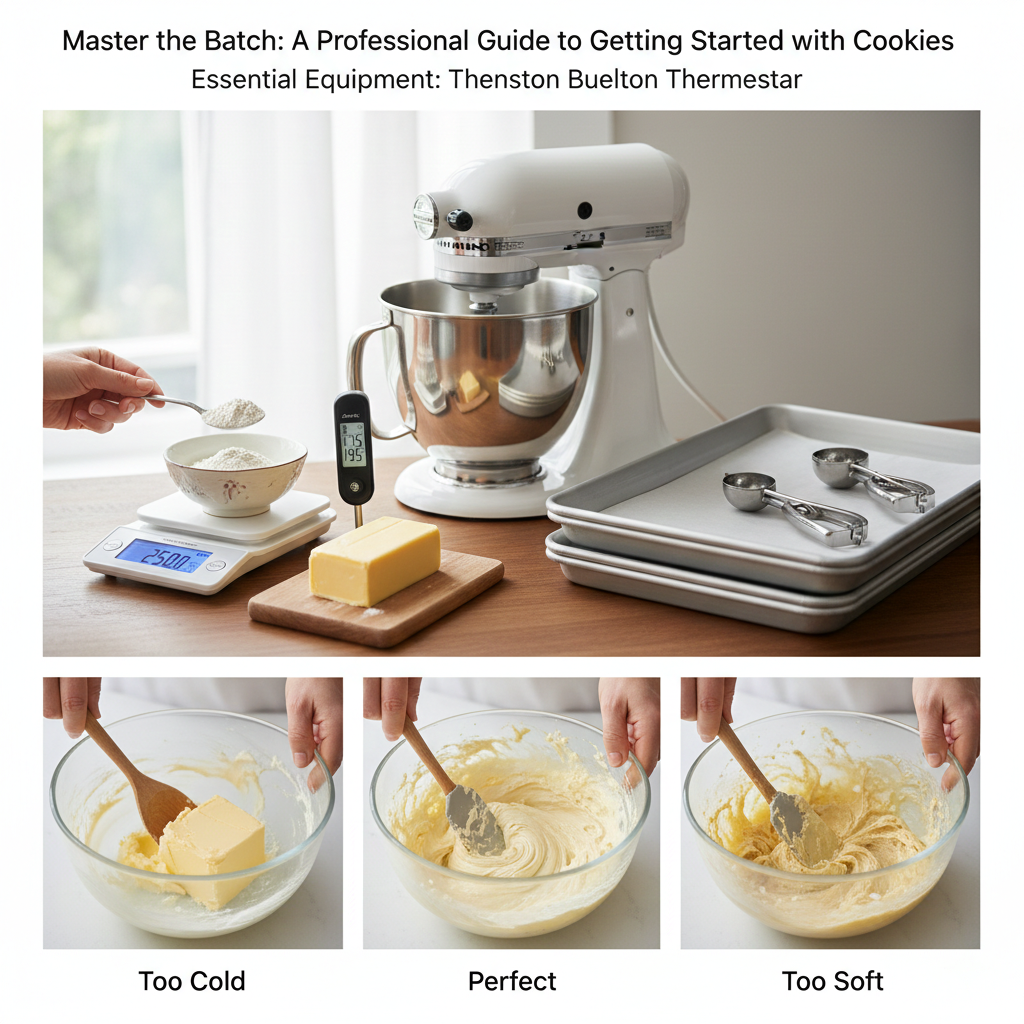
    Getting Started with Cookies: A well-organized professional baking station with a digital scale, mixer, and baking sheets, ready for precision cookie making.

    1. Technical Fundamentals for Getting Started with Cookies

    Before you cream your first bit of butter, ensure your kit is up to professional standards. High-end results for anyone getting started with cookies depend on accurate tools and a standardized environment.
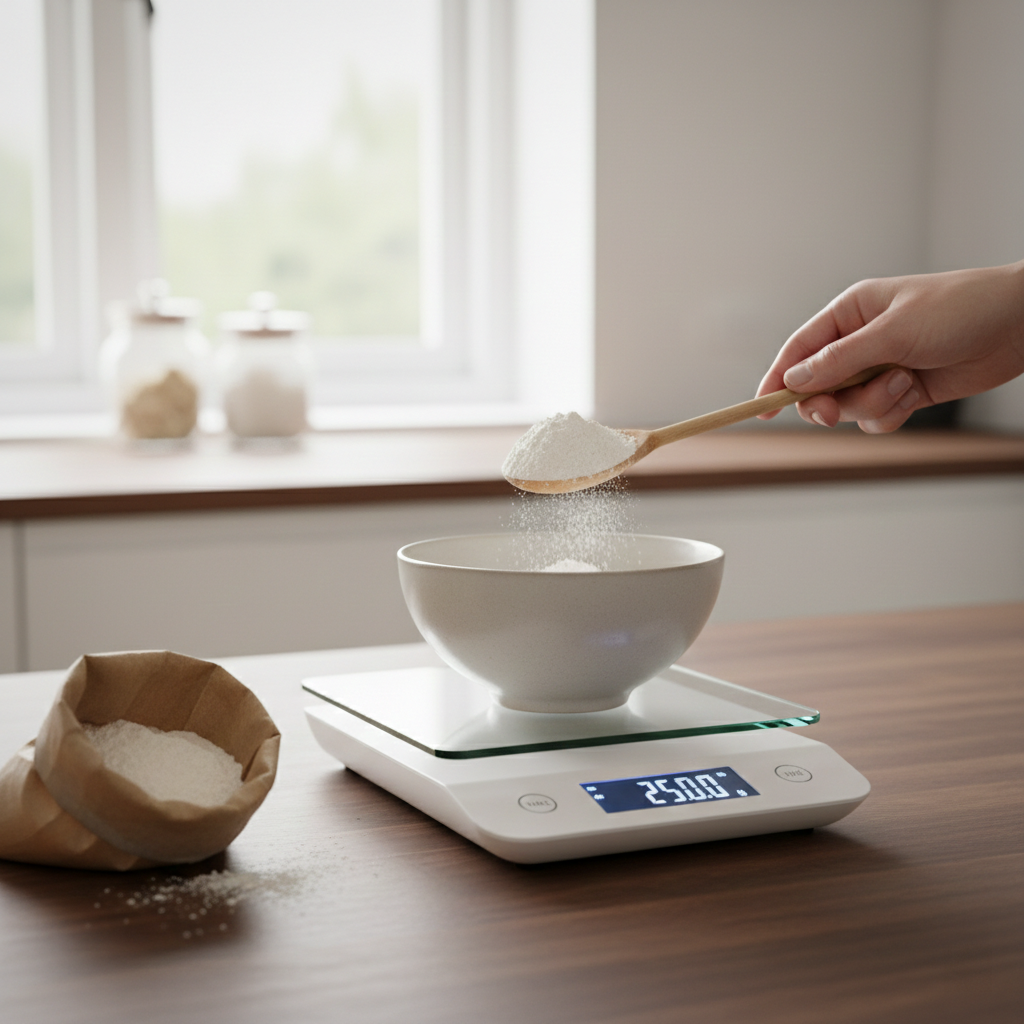
    A close-up of a digital kitchen scale accurately weighing flour, demonstrating the importance of precise measurements in professional baking.

    Essential Equipment for Getting Started with Cookies

    • Digital Kitchen Scale: When getting started with cookies, volume measurements are notoriously unreliable. For professional consistency, you must weigh ingredients in grams.
    • A Solid Internal Thermometer: Never trust your oven’s built-in dial. Verify that your oven reaches exactly 350°F (177°C), which is a non-negotiable step for getting started with cookies at scale.
    • Heavy-Duty Baking Sheets: Thin pans warp and hot-spot. Invest in rimmed aluminum half-sheets for even heat distribution.

    Weight Over Volume

    In a professional kitchen, accuracy is the foundation of consistency. A single “cup” of flour can vary by up to 20% depending on how it’s packed. To ensure every batch of cookies matches your highest standards, always weigh your dry ingredients in grams. This is the single most important step in transitioning from a home baker to a professional.

    2. Understanding Ingredient Science When Getting Started with Cookies

    Every ingredient in a cookie serves a structural or chemical purpose.
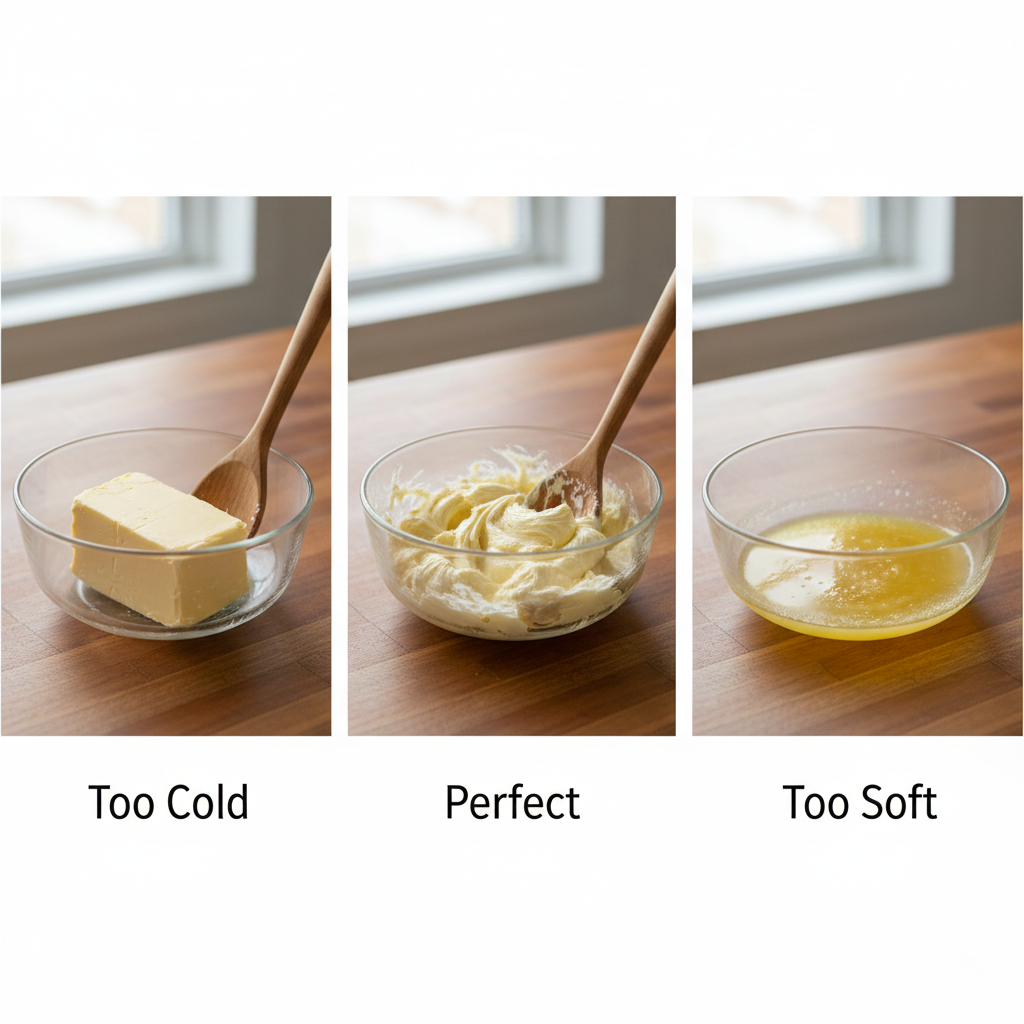
    A visual guide showing three states of butter (too cold, perfect room temperature, too soft) for optimal creaming in cookie dough.
    • Butter Temperature: For the classic “creaming method,” your butter should be cool room temperature (about 65°F (18°C)). If it’s too soft, your cookies will spread into puddles; too cold, and you won’t incorporate the air needed for leavening.
    • Sugar Ratios: White sugar provides crispness and encourages spread, while brown sugar adds moisture and chew due to the molasses content.
    • Flour Protein: Most professional cookies use All-Purpose flour, but the protein content can vary by brand. A higher protein count leads to a heartier, chewier bite.

    The 65°F Rule

    Butter temperature dictates the structural integrity of your cookie. Aim for “cool room temperature” (approx. 65°F / 18°C). The butter should be pliable enough to hold a fingerprint but firm enough to resist melting. If your butter is too warm during the creaming stage, your cookies will lose their height and over-spread in the oven.

    3. The Secret to Professional Texture: The Chill
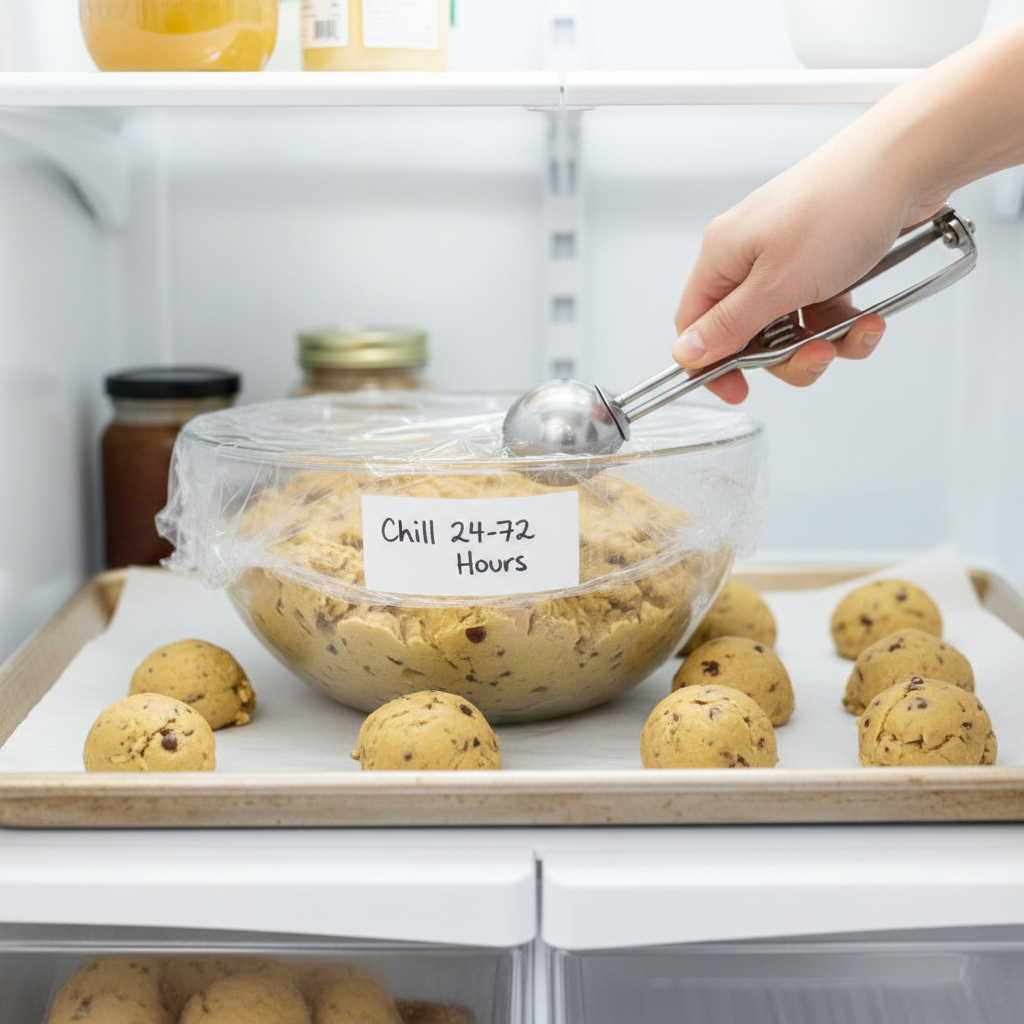
    Cookie dough chilling in a labeled bowl in the refrigerator, illustrating the recommended chilling process for enhanced flavor and texture.

    If you want that iconic “bakery ripple” and a deep, developed flavor, you must chill your dough. Resting the dough for 24 to 72 hours allows the flour to fully hydrate and the fats to solidify. This results in:

    1. Controlled Spread: The cold fat takes longer to melt in the oven.
    2. Enhanced Flavor: Enzymes break down the starches into simple sugars, leading to better browning (the Maillard reaction).

    The 24-Hour Flavor Bloom

    Professional results require time. Chilling your dough for at least 24 hours isn’t just about controlling spread; it’s a chemical necessity. This rest period allows the starch molecules in the flour to break down into simple sugars, resulting in a deeper, more complex caramelization and a superior, chewy texture that cannot be achieved with “bake-now” dough.

    For a deep dive into the molecular changes that occur during a 24-hour rest, King Arthur Baking offers an excellent breakdown of why chilling dough is a non-negotiable step for professionals.

    4. Precision Portioning
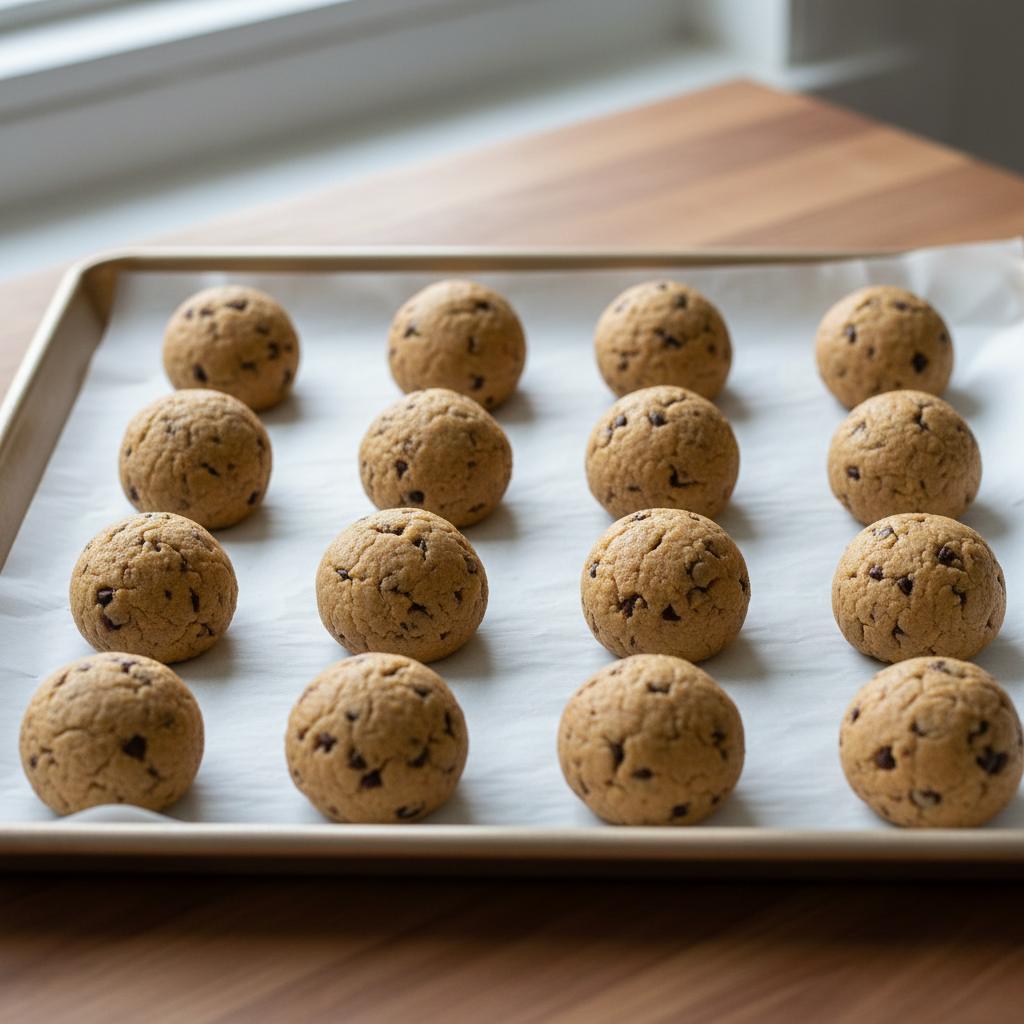
    Precisely portioned cookie dough balls arranged on a baking sheet, demonstrating the consistency achieved with a cookie scoop.

    Consistency is key when selling baked goods. Customers expect every cookie to be identical in size and bake. Use a spring-loaded cookie scoop to ensure every portion is exactly the same weight. This isn’t just about aesthetics—it ensures that every cookie on the tray finishes baking at the exact same second.
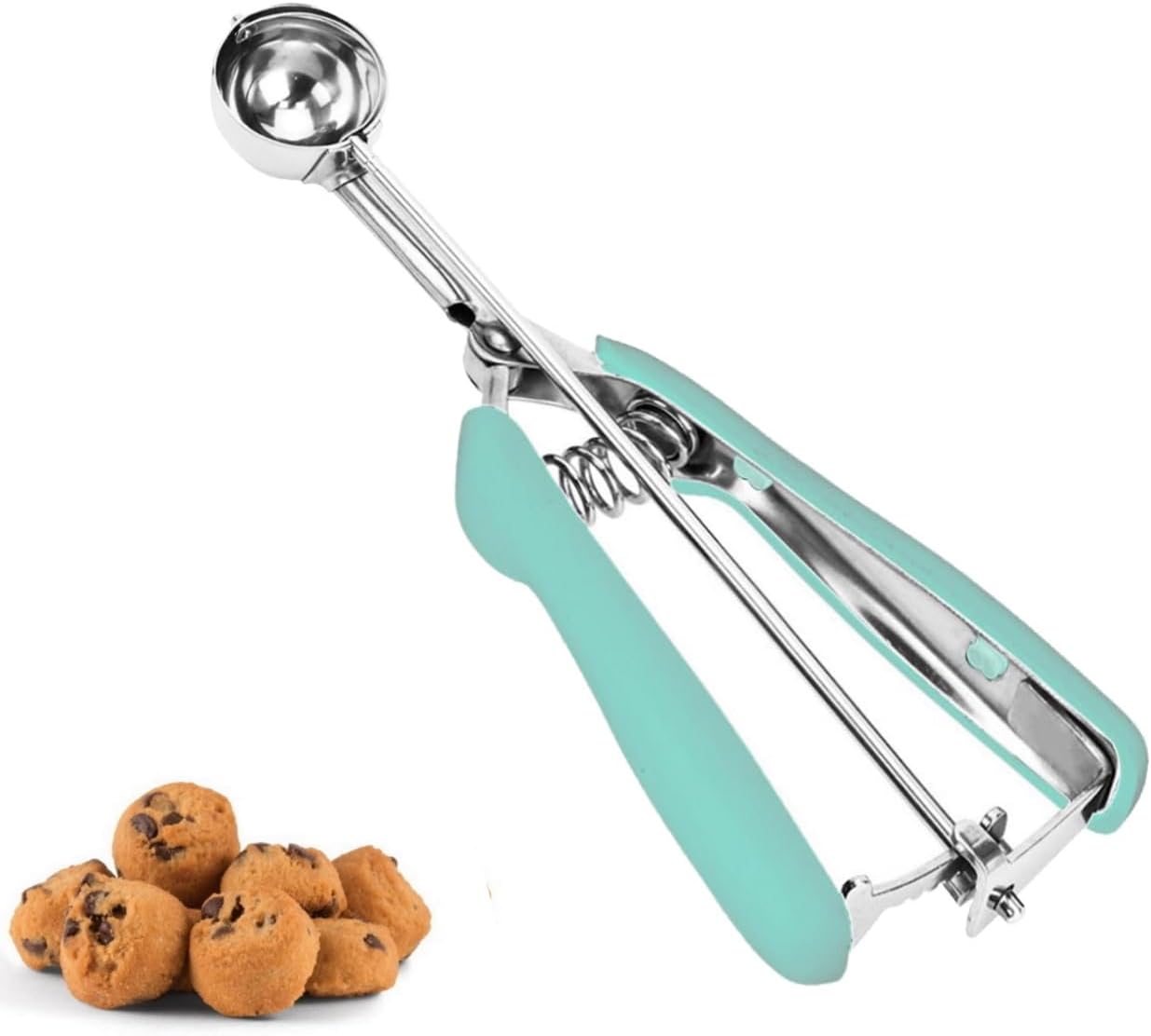
    1 tsp Extra Mini Cookie Scoop

    • The non-slip rubber handle makes it easy to grasp.
    • Just a simple squeeze makes the cookie scoop release the dough easily and neatly
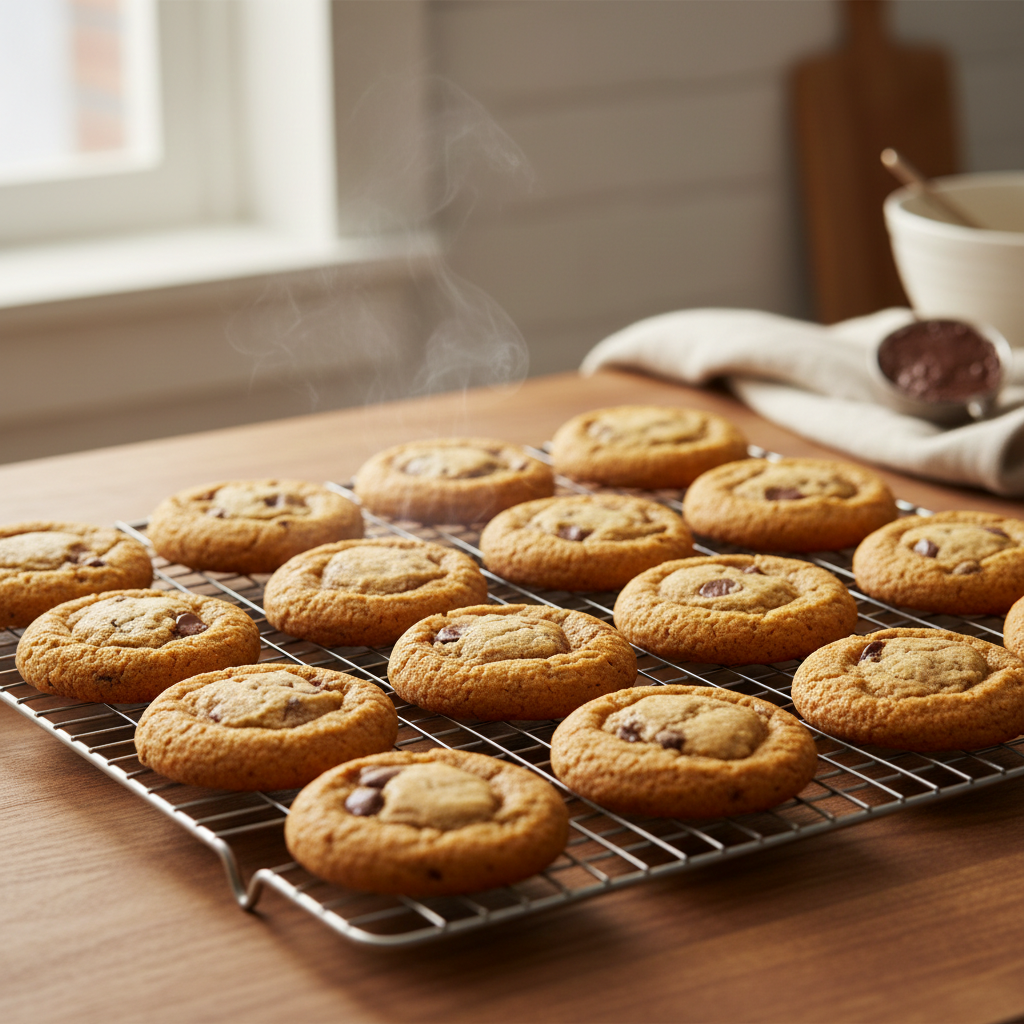
    A batch of uniformly baked, golden-brown chocolate chip cookies cooling on a wire rack, representing professional baking results.

    From Kitchen to Craft: Scaling Your Success

    Mastering the art of the cookie is a journey that moves from following a simple recipe to understanding the intricate dance of food science. By focusing on the technical pillars of precision measurement, specific temperature control—aiming for that perfect 65°F (18°C) butter—and the disciplined patience of a 24-hour chill, you elevate your baking from a casual hobby to a professional craft.

    These small, intentional adjustments are what create a consistent, high-quality product that stands out in a competitive market. As you continue to refine your workflow and experiment with these foundational techniques, you’ll find that the “perfect batch” isn’t a matter of luck, but a result of professional standards.

    Kitchen Tools I Use

  • Mini Desserts That Sell Well (Best Sellers for Home Bakers)

    Mini Desserts That Sell Well (Best Sellers for Home Bakers)

    When you’re looking for the best mini desserts that sell well, it’s all about finding the balance between low ingredient cost and high visual appeal.

    If you are baking for a side hustle or a local farmers market, you quickly learn that not all treats are created equal. Some take hours to decorate but sell for pennies, while others fly off the shelf the moment you set them out.

    Start Small, Scale Fast with Cookies

    If you are just getting started, focusing on a single niche—like high-quality cookies—can be a game-changer for your brand identity. Learn more about how we started with custom cookies and built a brand that sells.

    Choosing mini desserts that sell well is about finding the “sweet spot” between low labor, high visual appeal, and great flavor. Whether you are stocking a dessert bar or selling individual treat boxes, these are the best-selling mini desserts that keep customers coming back.

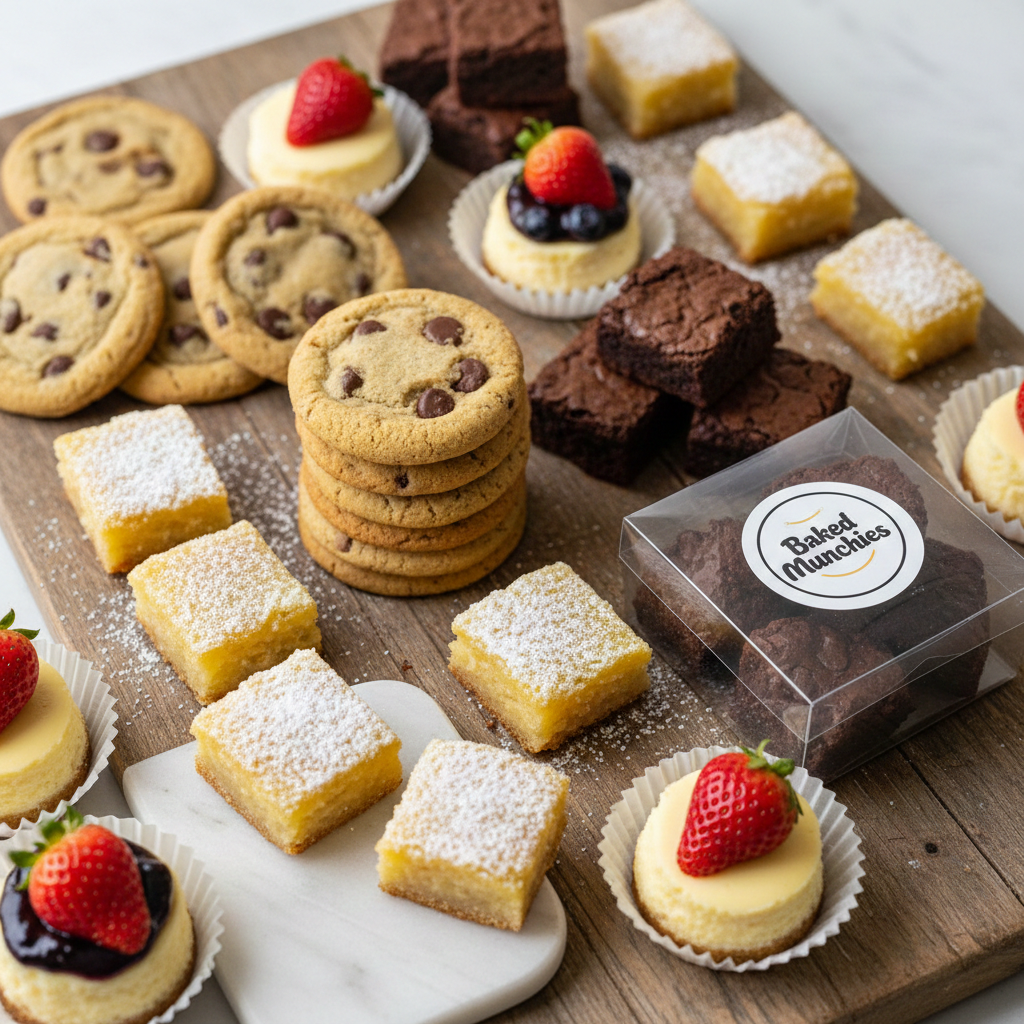
    Assortment of best-selling mini desserts including chocolate chip cookies, brownie bites, and lemon bars for a home baking business

    Why Mini Desserts Are a Side Hustle Superpower

    For a home baker, “mini” often means “more profit.”

    • Higher Volume: You can offer 12-24 pieces instead of one large cake.
    • Low Commitment: Customers are more likely to buy a $15 box of minis than a $60 custom cake.
    • Variety: You can showcase multiple flavors in a single order.

    💰 Why Mini Desserts are Profit Powerhouses

    Higher Margins: Smaller portions allow for higher price points per ounce compared to full-sized cakes.

    Reduced Waste: Easier to control inventory and use leftover ingredients from larger projects.


    Upsell Potential: Perfect for adding onto existing orders as “party favors” or “sampler packs.”

    Before you start selling, it is vital to understand the specific regulations for home bakers in your area. For a deep dive into the legalities and safety standards, check out the comprehensive guide to cottage food laws by Forrager.

    Selecting Mini Desserts That Sell Well for Your Brand

    Every home bakery has a different vibe, so it is important to choose mini desserts that sell well and also align with your personal brand and skill set.

    Below is our curated list of mini desserts that sell well at farmers’ markets, pop-ups, and custom events.

    1. Mini Chocolate Chip Cookies (The King of Minis)

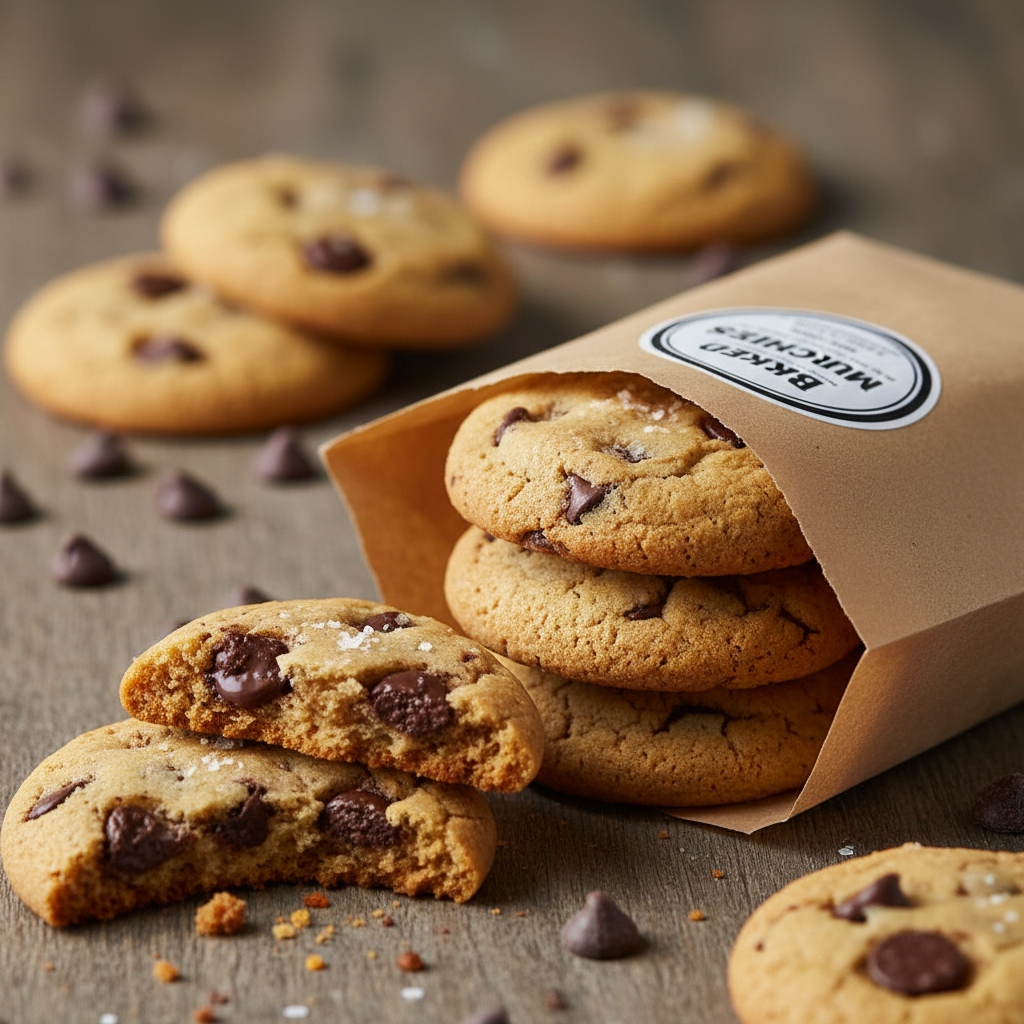
    Close-up of freshly baked mini chocolate chip cookies in a snack pack for sale

    You can’t go wrong with a classic. A soft, chewy mini chocolate chip cookie is the most requested item for any dessert board.

    • Why it sells: It’s nostalgic, crowd-pleasing, and easy to package.
    • Profit tip: Sell them in “Snack Packs” of 6 or 12. They are the ultimate impulse buy.

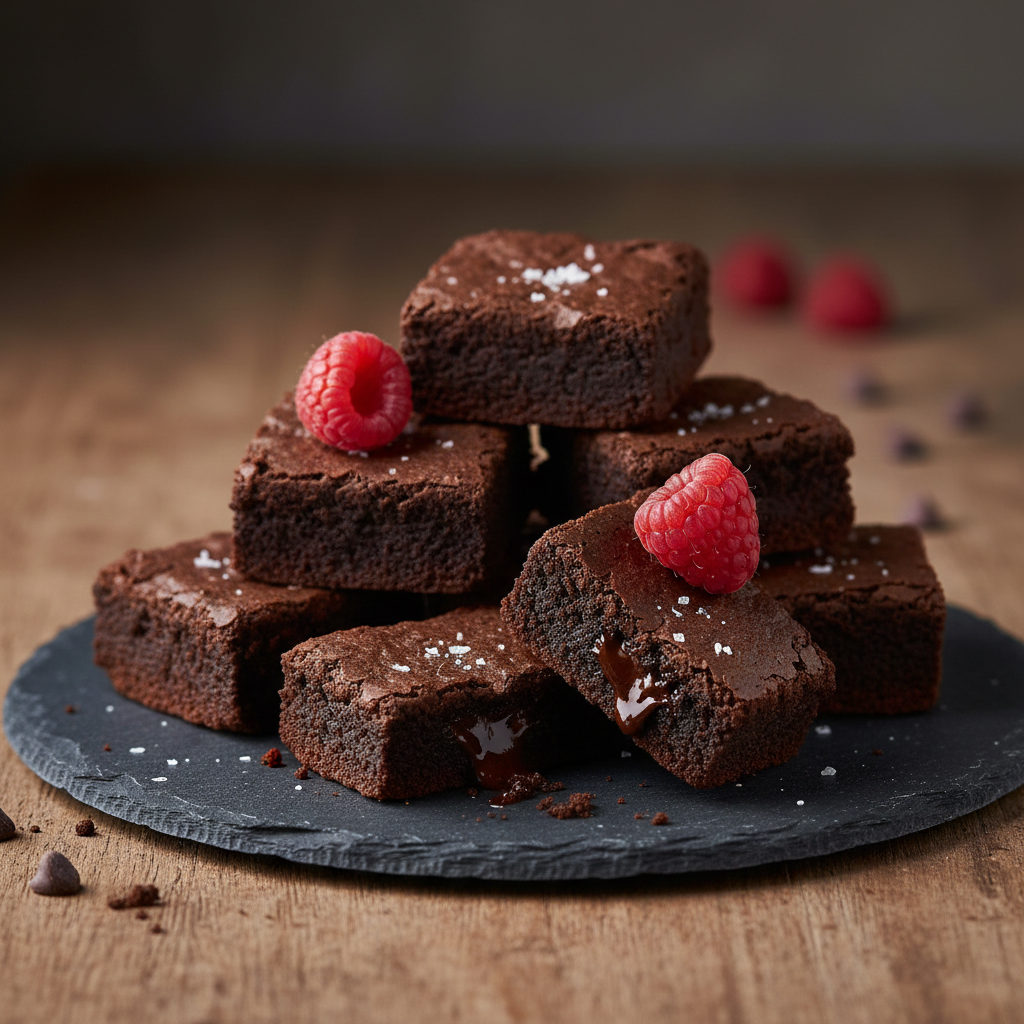
    2. Fudgy Brownie Bites

    Delicious fudgy brownie bites with sea salt, a top-selling mini dessert

    Brownies are famously sturdy, making them easy to transport and plate.

    • Why it sells: People crave chocolate. A mini brownie bite feels indulgent without being “too much.”
    • Profit tip: Dress them up with a tiny swirl of sea salt caramel or a single raspberry on top to justify a premium price.

    When you are working with mini desserts, every gram of flavor counts. Bake School offers an incredible look at how ingredient quality and temperature can drastically change the texture and shelf-life of your baked goods.

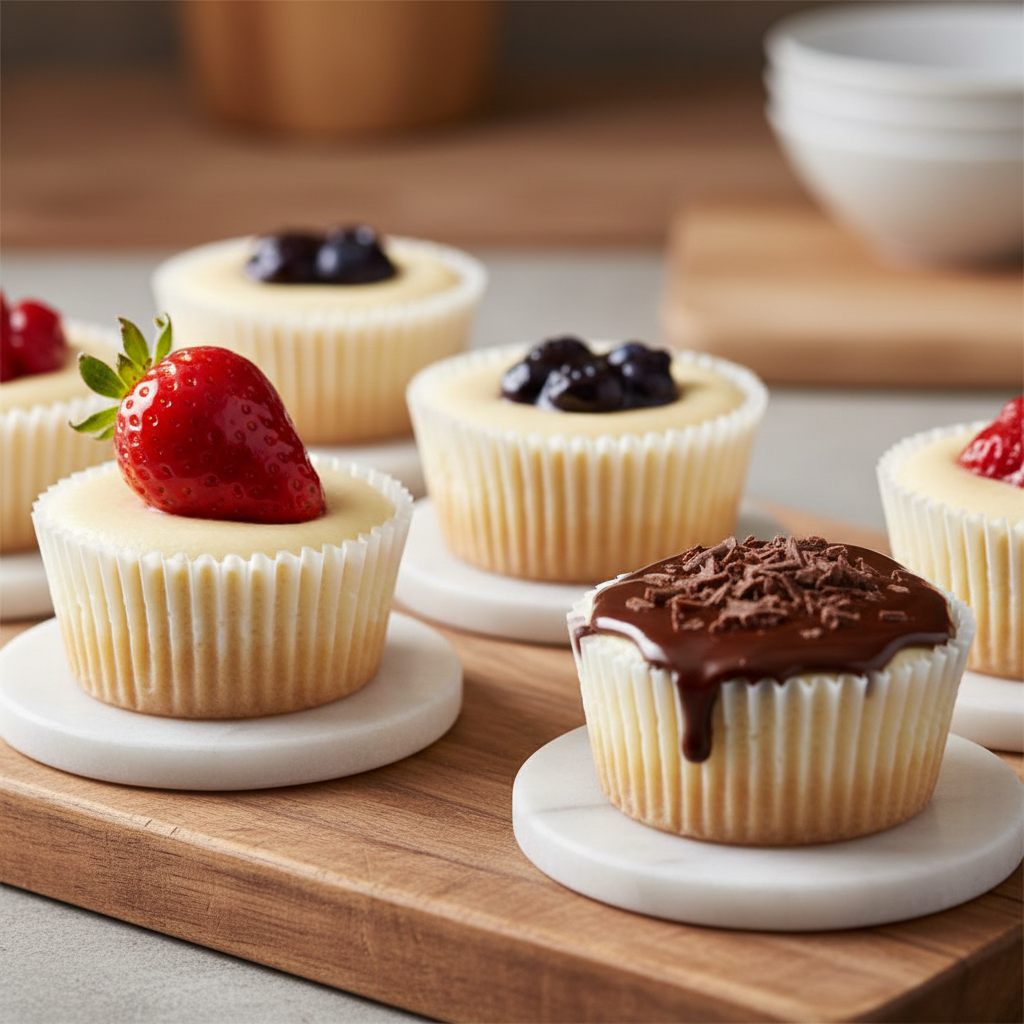
    3. Mini Cheesecake Bites

    Assortment of mini cheesecake bites with various fruit and chocolate toppings, ideal for selling

    Cheesecake feels expensive and high-end. When you turn them into “bites” using a muffin tin, they become the star of the show.

    • Why it sells: It offers a “gourmet” feel that cookies sometimes don’t reach.
    • Profit tip: Use a simple graham cracker crust and vary the toppings (strawberry, blueberry, or chocolate ganache) to create a high-variety box with one base recipe.

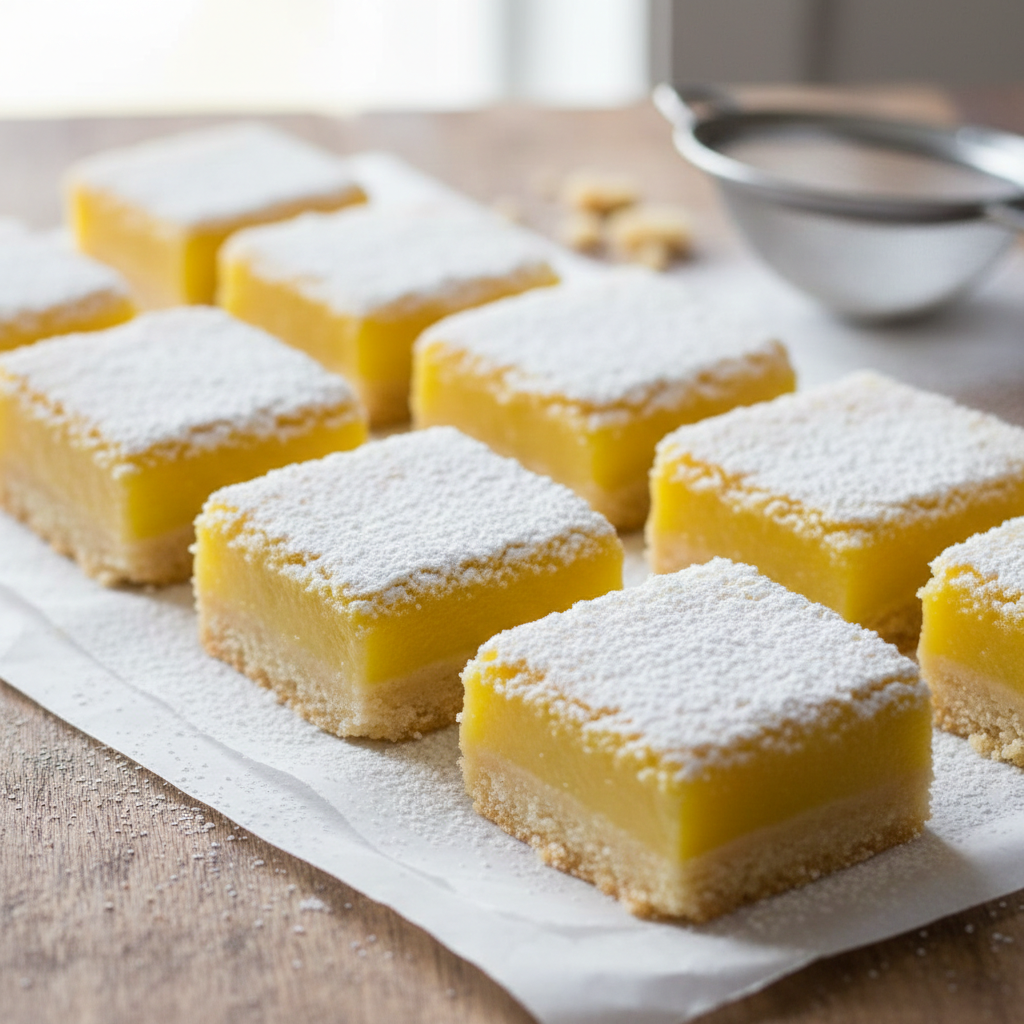
    4. Mini Lemon Bars

    Bright yellow mini lemon bars dusted with powdered sugar, popular seller

    Bright, tangy, and colorful, lemon bars add a pop of yellow to any display.

    • Why it sells: It’s the perfect “palate cleanser” for people who find chocolate too heavy.
    • Profit tip: Cut them into perfect 1-inch squares and dust them with powdered sugar right before delivery for a fresh, professional look.

    Martha Stewart Gallen 3-Piece Cookie Sheet Set

    Complete bakeware set with nonstick sheets for cookies.

    5. Decorated Mini Sugar Cookies

    While these take more time, they are the highest-margin item you can sell.

    • Why it sells: They are essentially edible art. People buy these for the “wow” factor at baby showers and birthdays.
    • Profit tip: Stick to simple shapes (circles, hearts, stars) and use high-impact colors. You don’t need complex designs to make a mini look adorable.

    ⚡ Workflow Wins for Mini Treats

    Batch Prepping: Bake shells or cookie bases in bulk and freeze to save time during the work week.

    Master One Base: Use one versatile cake or dough recipe and create variety through different frostings and toppings.


    Consistent Sizing: Use a digital scale or specific scoops to ensure every mini treat looks identical for professional presentation.

    1 tsp Extra Mini Cookie Scoop

    • The non-slip rubber handle makes it easy to grasp.
    • Just a simple squeeze makes the cookie scoop release the dough easily and neatly

    6. No-Bake Peanut Butter Bites

    For the baker on a tight schedule, no-bake options are a lifesaver.

    • Why it sells: They often appeal to the “protein” or “energy” crowd and have a distinct, rich texture.
    • Profit tip: Dip half the bite in dark chocolate to give it a professional “confectionary” look with minimal extra effort.
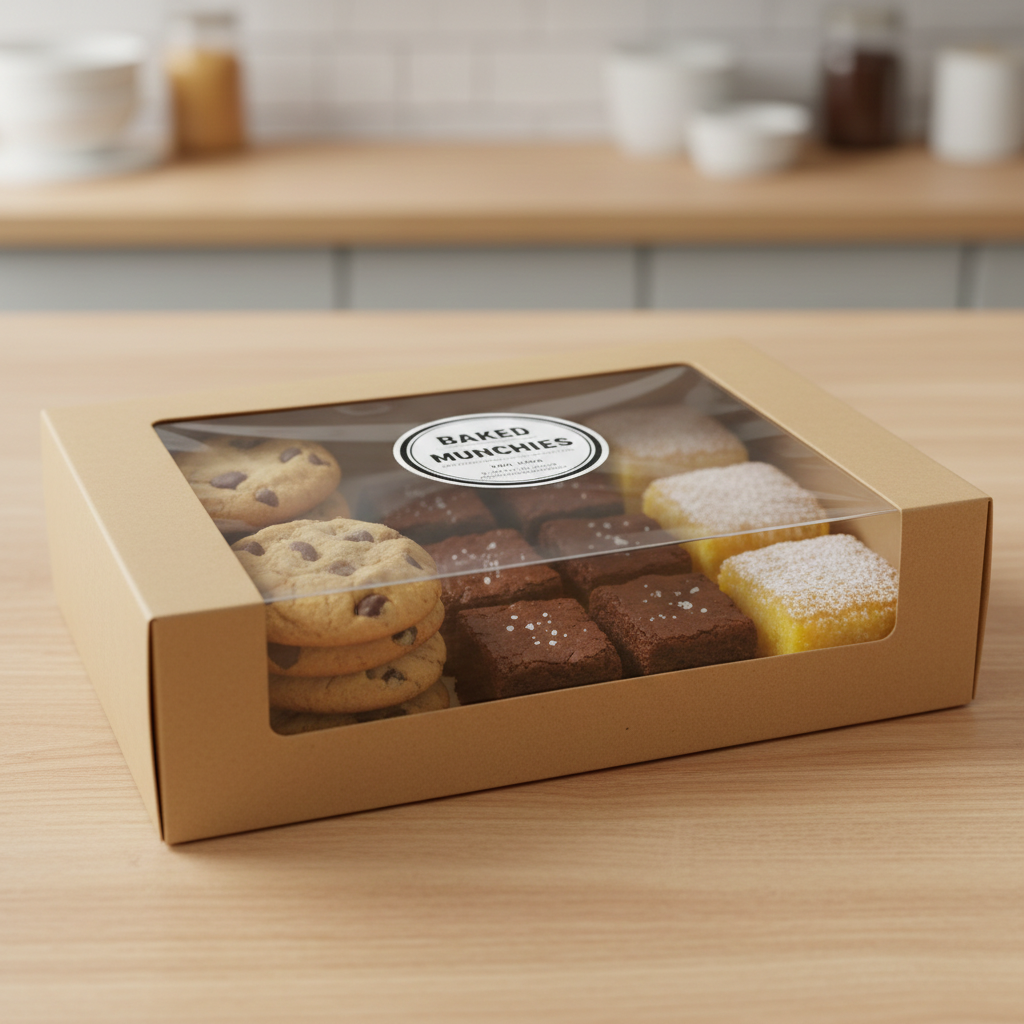
    Mixed box of mini desserts that sell well in branded packaging for a home baking business

    How to Package Minis for Maximum Sales

    Master Your Kitchen Workflow

    Managing multiple tiny treats requires a solid system to keep your kitchen running smoothly without the burnout. Check out our guide on baking productivity and how to optimize your workflow for large orders.

    Presentation is everything when selling small treats.

    • Clear Windows: Use boxes with windows so the “cuteness” of the minis sells itself.
    • Paper Liners: Always use high-quality mini muffin liners for brownies and cheesecakes to keep things mess-free.
    • Branding: A simple sticker with your logo (like the Baked Munchies logo!) on a plain white box instantly raises the perceived value.

    Common Questions About Profitability

    What are the most profitable mini desserts that sell well? Generally, items with a long shelf life and low labor intensity, like decorated shortbread or fudge bites, offer the best return on investment.

    Cookie Boxes with Window

    Cookies boxes with a clear window, professional look – ideal for bakeries, home bakers, and gift-giving occasions.

    Final Thoughts: Focus on the “Best-Sellers”

    If you want to identify which mini desserts sell well in your specific area, try offering a “mini sampler box” to gather customer feedback.

    How to Price Your Mini Desserts for Profit

    One of the biggest hurdles for home bakers is ensuring they aren’t underselling their time and ingredients. To make sure your business stays sustainable, check out our guide on how to price mini desserts effectively.

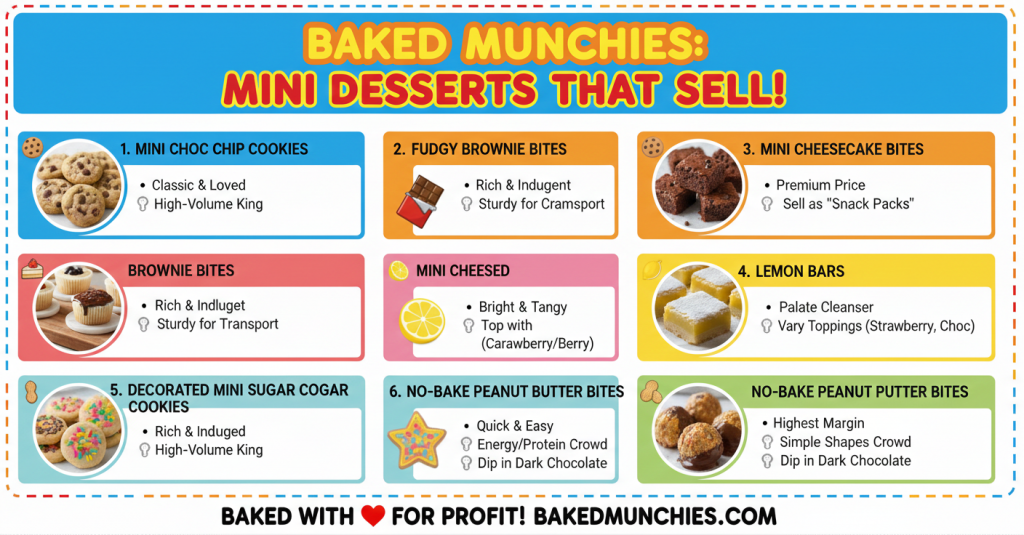
    Horizontal infographic for Baked Munchies titled Mini Desserts That Sell including mini cookies, brownie bites, cheesecake, and lemon bars

    You don’t need a menu of fifty items. Start with 3 or 4 mini desserts that sell well and master the workflow. By focusing on high-demand, high-margin treats, you’ll spend less time stressed in the kitchen and more time growing your baking business.

    Focusing on mini desserts that sell well allows you to scale your home bakery business without needing a massive commercial kitchen.

    Kitchen Tools I Use